
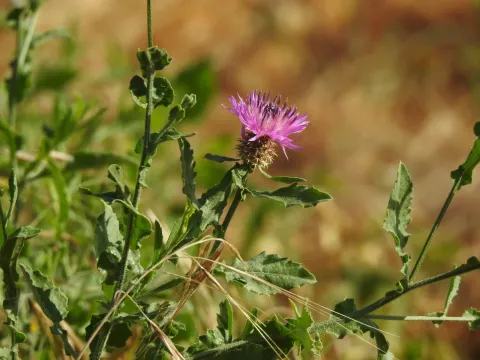
Centaurea lusitanica
Centaurea lusitanica
Centaurea lusitanica requires a specific thermal regime for optimal germination. Sowing in open ground should be carried out in the spring when the soil temperature consistently reaches 10–12 degrees Celsius, which is essential for uniform emergence.
What the section contains
Centaurea lusitanica
The seeds should be sown at a shallow depth of 1–2 centimeters, as they require sufficient light exposure to break dormancy effectively. Covering them with a thin layer of fine soil or vermiculite helps maintain the necessary moisture levels.
In field conditions, row spacing should be maintained between 30 and 45 centimeters to ensure adequate airflow around the plants. This spacing helps prevent excessive humidity buildup, which is a key factor in suppressing fungal diseases.
Early-stage weed control is vital, as the crop grows relatively slowly during the first few weeks after emergence. Hand weeding or light mechanical cultivation is recommended until the plants establish their root system.
Thinning the seedlings once they reach the two-leaf stage is a critical agrotechnical practice. This ensures that only the strongest plants remain, leading to a higher quality of the subsequent floral output.
Belonging to the Asteraceae family, this species is well-adapted to environments with intense solar radiation. It thrives in open, sunny locations and is intolerant to shading, which can cause etiolation and weak stems.
The plant prefers well-drained, porous soils ranging from sandy loam to loamy textures. It is highly sensitive to waterlogging, as excessive moisture leads to root rot and diminished vigor, making drainage a priority.
Centaurea lusitanica exhibits significant drought tolerance once established. Its taproot system allows it to access water reserves at deeper soil horizons, making it a robust choice for regions with erratic rainfall patterns.
Nutrient requirements are generally modest; however, a balanced NPK fertilizer applied during the early vegetative phase can improve biomass production. Over-fertilization with nitrogen should be avoided to prevent excessive succulent growth.
Soil pH should ideally be maintained in the neutral range (6.5–7.5). If the soil is excessively acidic, liming prior to planting is recommended to ensure optimal nutrient availability throughout the growth cycle.
The primary fungal threats include powdery mildew and rust, which are most prevalent during periods of high humidity or poor air circulation. Using sulfur-based or systemic fungicides can help control these pathogens if detected early.
Aphids represent the most significant pest pressure, specifically targeting young buds and tender foliage. Biological control agents or selective insecticides should be prioritized to mitigate damage while protecting beneficial pollinators.
Larval stages of certain insects may cause stem damage, which can lead to wilting of the entire plant. Regular field inspections are necessary to identify early symptoms and implement targeted intervention measures.
Crop rotation is an essential management practice. Avoiding the cultivation of Centaurea species in the same plot for consecutive years helps interrupt the life cycle of soil-borne pathogens and specialized pests.
Sanitation practices, including the removal and destruction of crop debris after harvest, significantly reduce the carry-over of inoculum for the following season, thereby enhancing overall field health.