
Celmisia coriacea
Celmisia coriacea
Description
Growing requirements
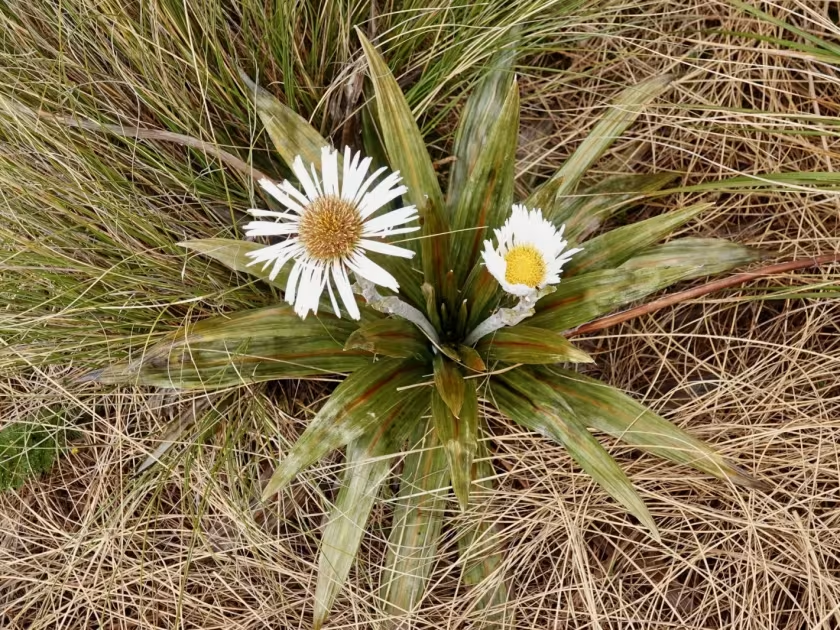
Celmisia coriacea, commonly known as the mountain daisy, is a remarkable perennial herb belonging to the Asteraceae family. It is native to the South Island of New Zealand, where it thrives in exposed alpine and subalpine meadows.
The plant is highly prized for its large, leathery, and sword-shaped leaves covered in dense, silvery tomentum. These leaves form a striking basal rosette, making it a focal point in any alpine-themed landscape or rock garden.
Successful cultivation requires environmental conditions that mimic high-altitude habitats. Excellent soil drainage is non-negotiable, as the roots are prone to rotting if they sit in heavy, waterlogged soil for extended periods.
Cultivation sites should be chosen with care, favoring areas with cool air temperatures and bright, indirect sunlight. In warmer climates, it is essential to provide protection from the harsh afternoon sun to prevent dehydration.
The planting medium should be gritty and slightly acidic, mimicking the natural stony scree slopes of its origin. Proper mulching with fine gravel around the base helps keep the crown dry and prevents soil-borne pathogens from affecting the leaves.
Main diseases and pests
The primary threat to Celmisia coriacea in cultivation is root rot, typically caused by poor drainage or excessive soil moisture. Once root decay begins, it is often difficult to save the mature rosette.
Slugs and snails are the most significant pests for this species. They find the soft, hairy foliage very attractive and can cause severe defoliation if left unchecked during the rainy season or at night.
Fungal diseases, such as powdery mildew, can occur if the airflow around the plant is insufficient. Ensuring that the foliage stays dry and the area has good natural ventilation is the best preventative strategy.
Aphids occasionally colonize the flower stalks during the spring blooming season. While usually not lethal, they can weaken the plant and reduce the overall aesthetic quality of the blooms if not managed.
Maintaining the plant's health requires regular monitoring and strict adherence to moisture management protocols. By ensuring the crown remains dry and the root system breathes, gardeners can successfully sustain this alpine beauty.