
Cotton plant
Celmisia spectabilis
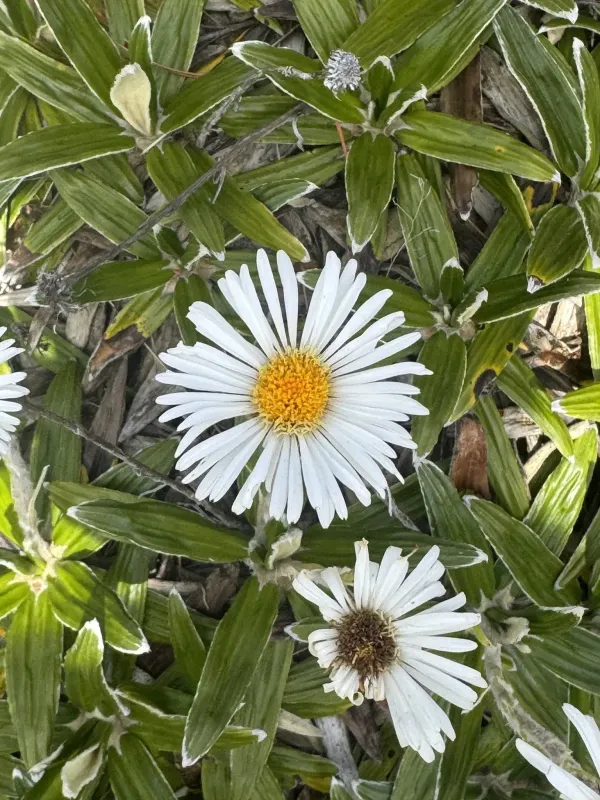
Description
Growing requirements
Celmisia spectabilis, commonly known as the cotton plant, is a perennial herb belonging to the Asteraceae family. It is native to the South Island of New Zealand, where it is frequently found in subalpine grasslands and rocky slopes.
The plant grows in low-lying rosettes of stiff, leathery leaves. A key botanical feature is the dense covering of white or silvery tomentum (hairs) on the underside of the leaves, which gives the plant its common name and protects it from extreme alpine environments.
Cultivation requires conditions that mimic its natural mountainous habitat. It needs sharply drained soil that is low in organic matter. Avoid heavy water retention, as the crown of the plant is susceptible to rot during wet winters.
Climate preferences focus on cool to moderate temperatures and plenty of sunlight. While it is hardy in alpine zones, it struggles in areas with intense heat and high humidity, often requiring a cooler, sheltered position in lowland garden environments.
The primary use of Celmisia spectabilis is ornamental, particularly in rock gardens or scree beds. Its high-quality foliage and white, daisy-like flowers with yellow centers make it a prized specimen for collectors of alpine and mountain flora.