
Carduncellus pinnatus
Carduncellus pinnatus
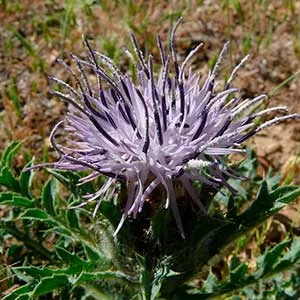
Description
Sowing dates
Sowing of Carduncellus pinnatus is typically carried out in early spring when soil temperatures reach 10–12 degrees Celsius. The seeds require stable moisture levels during the germination phase to ensure a successful start to the growing season.
Stratification of the seeds is highly recommended to improve overall germination rates and seedling uniformity. In open field conditions, planting should be done in rows, maintaining a spacing of approximately 45 cm between rows to ensure adequate airflow.
Seeds should be covered with 1–2 cm of loose, well-draining soil to protect them while allowing the germinating sprouts to emerge easily. A well-prepared seedbed, free from large clumps and debris, is essential for achieving optimal emergence rates in field settings.
Post-emergence, thinning is performed to maintain a spacing of 20–30 cm between individual plants, preventing overcrowding and resource competition. Proper spacing is a key factor in maximizing the development of individual plants and overall crop health.
Autumn sowing is feasible only in regions with mild winters where the risk of deep soil freezing is minimal. In such cases, applying a layer of organic mulch is necessary to provide protection against temperature fluctuations during the dormant winter months.
Growing requirements
Carduncellus pinnatus is a herbaceous perennial plant belonging to the Asteraceae family. It is known for its adaptation to Mediterranean-like climates and its inherent ability to survive in environments characterized by long, hot, and dry summer periods.
The crop thrives in well-draining soils, preferring lime-rich or sandy substrates. It is strictly intolerant of waterlogging, which often leads to root rot; therefore, selecting a site with natural slope or excellent drainage infrastructure is mandatory for successful cultivation.
Light availability is a critical requirement for this species, as it thrives in full sun exposures. Insufficient lighting leads to elongated stems and weak vegetative growth, which can severely compromise the plant's structural integrity and its flowering potential.
The plant demonstrates remarkable drought resistance due to its deep taproot system, which allows it to tap into subterranean water reserves. This makes it a suitable candidate for cultivation in arid or semi-arid agricultural zones with limited irrigation capacity.
The optimal soil pH range for Carduncellus pinnatus is neutral to slightly alkaline. Balanced fertilization with an emphasis on phosphorus and potassium strengthens the root system and improves the plant's overall resilience against environmental stress factors.
Main diseases and pests
The primary threats to Carduncellus pinnatus are fungal diseases caused by excessive air humidity or poor soil drainage. Root and crown rot are the most prevalent issues, frequently occurring in poorly managed soils where moisture levels are allowed to remain too high.
Wireworms represent a significant pest threat, as they target the underground parts of the plant, often leading to sudden wilting and death. Crop rotation and deep autumn tillage are the most effective preventive measures to minimize the population of soil-borne pests.
Leaf-eating insects, including various moth larvae, may cause damage to the foliage during the active growth phase. Monitoring the field regularly allows for early detection, and manual removal is often sufficient for small-scale operations before chemical intervention is needed.
Powdery mildew may occur on the leaves during warm, humid weather, which can hinder photosynthesis and general plant vitality. Maintaining good ventilation between plants and removing any diseased debris are essential practices to stop the spread of infection.
Nematode infestations can occur in specific soil types, potentially damaging the roots and hindering nutrient absorption. Utilizing disease-free planting material and rigorous weed control are fundamental steps in preventing the introduction of pathogens into the field.