
Cardopatium corymbosum
Cardopatium corymbosum
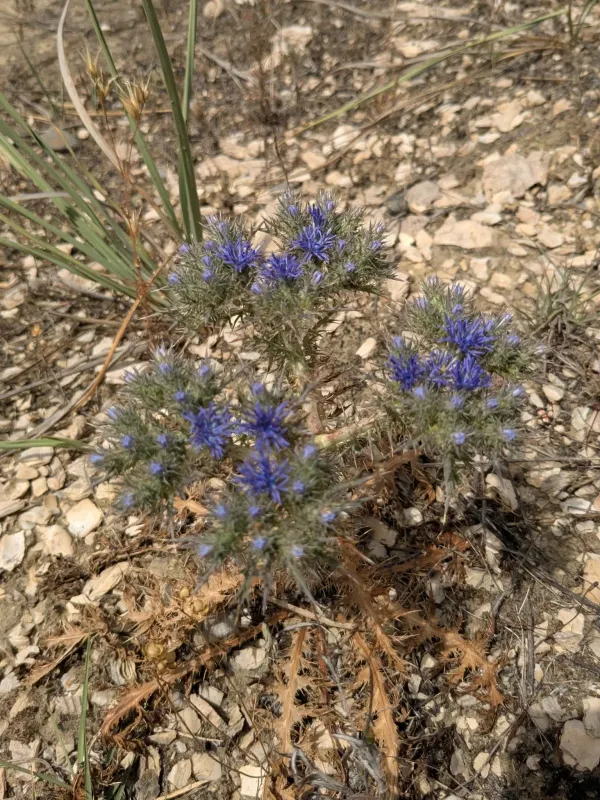
Description
Sowing dates
Cardopatium corymbosum is a perennial herbaceous plant belonging to the Asteraceae family. Its biological cycle is adapted to Mediterranean environments, featuring a strong taproot that allows the plant to survive in harsh conditions.
Seeds are typically sown in autumn or early winter, following natural cycles of Mediterranean rainfalls. In controlled environments, seeds should be sown in a well-draining, sandy-based medium to prevent damping-off.
Temperature management is critical for germination; a range of 15 to 20 degrees Celsius is usually sufficient. Stratification can be employed to improve the uniformity of seedling emergence in batches.
Deep sowing should be avoided, as the small seeds require only a thin layer of substrate covering. Keeping the surface consistently moist but not saturated is necessary until the initial radicle penetrates the soil.
Once seedlings have developed their true leaves, they should be hardened off to withstand direct sun exposure. Care must be taken during transplantation to ensure the sensitive taproot is not disturbed.
Growing requirements
This species thrives in nutrient-poor, rocky, or calcareous soils, making it an excellent candidate for xeriscaping. It is highly adapted to soils with alkaline pH, which promote healthy root development.
As a true xerophyte, Cardopatium corymbosum demands full sun exposure throughout the day. Insufficient sunlight will lead to spindly stems and drastically reduced floral production, which is undesirable.
Watering frequency should be extremely low once the plant is established. Any excess soil moisture, especially during the dormant season, will likely trigger fungal pathogens and lead to rapid decline.
Climatic requirements involve dry, warm summers and mild winters. In areas with severe frost, protection such as light mulching or covering is necessary to prevent freeze damage to the crown.
Fertilization is rarely needed, as the plant is adapted to survival in low-fertility environments. Minimal applications of balanced, slow-release fertilizers in the spring can be used if growth appears stunted.
Main diseases and pests
Root rot caused by various fungi is the primary threat to the longevity of the plant. This is almost exclusively associated with improper irrigation techniques or poor soil drainage in the planting site.
Powdery mildew can occur during periods of high humidity and poor air circulation. Improving spacing and ensuring the plant has adequate ventilation helps to mitigate the risk of infection.
Aphids are the most common insect pests encountered on this plant. They typically cluster around the flower buds, potentially damaging the floral display if infestations are left unchecked.
Soil-dwelling larvae can sometimes damage the root system. Pre-planting soil treatment is recommended if the site is known to harbor high populations of root-feeding pests.
Gastropods, such as slugs and snails, can cause significant damage to young shoots in early spring. Barriers made of sharp gravel or organic deterrents are effective in protecting the succulent growth stages.