
Blumeopsis falcata
Blumeopsis falcata
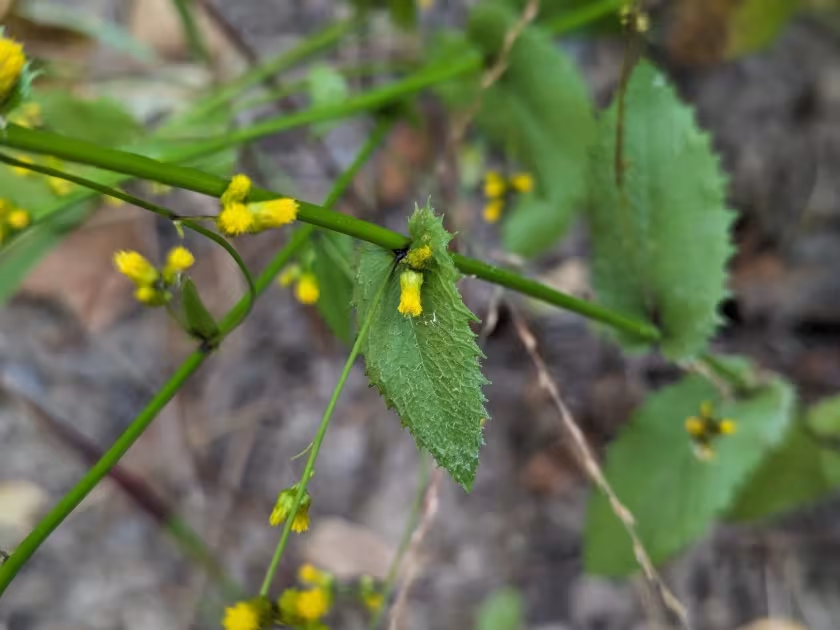
Description
Sowing dates
Blumeopsis falcata is a member of the Asteraceae family, typically found in specific ecological niches. Agricultural cultivation of this species requires careful preparation of the seedbed to ensure optimal germination rates.
Sowing should take place in early spring once soil temperatures reach a stable level. The seeds are small and should be sown at a shallow depth to ensure exposure to light, which is often a trigger for germination.
Uniform distribution of seeds is essential for creating a consistent plant stand. Farmers often use precise drilling methods to minimize seed waste and ensure that each plant has sufficient space to develop its foliage.
Early development requires constant soil moisture. Irrigation systems should be set to a gentle spray to avoid washing away the delicate seeds or causing soil crusting that blocks the emergence of seedlings.
Once established, the seedlings are relatively hardy but still benefit from thinning if sown too densely. A target density allows for better air circulation and reduces the risk of early-stage fungal outbreaks.
Growing requirements
The plant thrives in well-drained soils that offer good aeration. Loamy or sandy-loam soils are ideal, as they allow roots to penetrate easily and prevent the accumulation of excess water around the crown.
Sunlight requirements are quite strict for Blumeopsis falcata. As a heliophyte, it requires full sun exposure to maintain its physiological balance and to produce the high-quality compounds sought after in its commercial use.
Climatic adaptability is moderate. The crop prefers temperate conditions and is sensitive to extreme frost, which can damage its vegetative parts during the early spring or late autumn months.
Soil nutrient management focuses on maintaining a steady supply of potassium and phosphorus, which are vital for plant robustness. Nitrogen levels should be managed carefully to avoid excessive leafy growth at the expense of floral development.
Agrotechnical maintenance includes regular weed control. Given the species' relatively slow early growth, competition from aggressive weeds must be minimized through cultivation or mulching.
Main diseases and pests
The most common threats to Blumeopsis falcata include various root-rot fungi, especially if the soil drainage is inadequate. Pathogens like Pythium and Rhizoctonia can cause significant damage in wet seasons.
Aphids and spider mites are typical pests that infest the leaves during periods of heat and low humidity. Early detection and the use of integrated pest management are necessary to prevent yield loss.
Leaf spot diseases, caused by various fungal spores, can spread rapidly if air circulation between plants is poor. Regular monitoring of the foliage for discoloration or necrotic spots is advised.
Invasive weed species can also be a significant threat, as they compete for limited nitrogen and water. Mechanical weeding is preferred over broad-spectrum herbicides to protect the sensitive crop.
Maintaining soil health and rotating crops annually helps to reduce the build-up of soil-borne pathogens, ensuring a healthier and more productive growth cycle for subsequent years.
Harvesting
Harvesting is traditionally performed during the peak flowering stage. This timing is critical, as it ensures that the chemical composition and essential oil content of the plant are at their maximum level.
The stems are harvested using precision cutters, leaving a portion of the lower stem intact to potentially encourage secondary growth or to protect the crown from mechanical damage.
Post-harvest handling must be rapid to avoid fermentation of the plant material. The freshly harvested biomass should be moved to a clean, shaded area for the drying process immediately.
Drying is conducted in controlled environments with adequate airflow to maintain the integrity of the plant's active compounds. Temperatures must remain moderate, as high heat can degrade the essential oils.
Once dried to the correct moisture content, the product is sorted and packed in breathable bags. Proper storage in a dry, cool environment is essential to preserve the quality and market value of the harvest.