
Atractylis japonica
Atractylis japonica Koidz
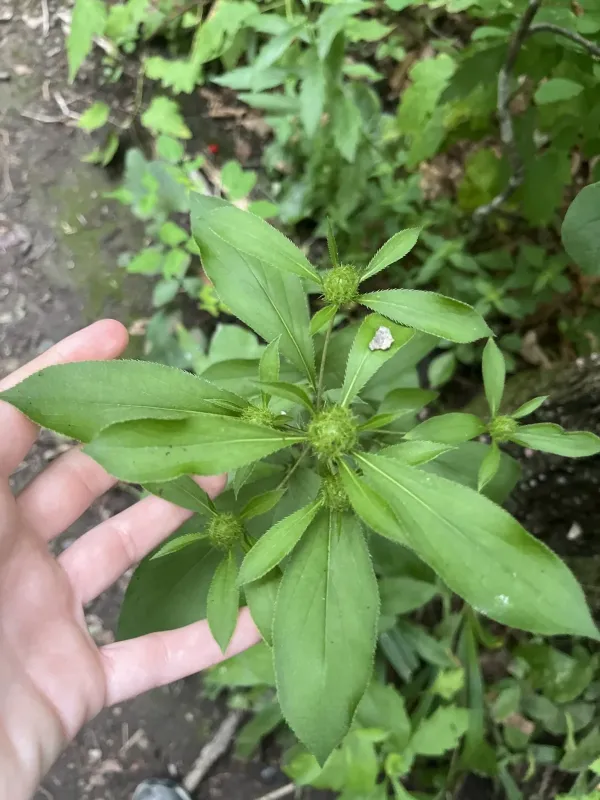
Description
Sowing dates
Sowing of Atractylis japonica seeds is typically conducted in the spring once the soil temperature stabilizes at 10-12 degrees Celsius. Seeds require cold stratification before planting to break dormancy and ensure uniform germination across the field.
For commercial cultivation, seeds are sown in rows spaced 45-60 centimeters apart. This spacing allows sufficient room for the plant to develop a healthy root system, which is the primary component harvested for medicinal purposes.
Seeds should be planted at a shallow depth of 1-2 centimeters. After covering, it is advisable to gently firm the soil surface to ensure optimal seed-to-soil contact, which facilitates the absorption of moisture needed for sprouting.
Seedlings usually emerge within 15 to 20 days. During this early stage, keeping the soil moist is crucial. Weeding should be performed carefully, as young plants are easily outcompeted by aggressive weeds in the early weeks of growth.
Once seedlings are established, thinning is necessary to achieve an ideal density of approximately 8-10 plants per square meter to prevent overcrowding and resource competition.
Growing requirements
Atractylis japonica is a perennial herb belonging to the Asteraceae family. It is native to East Asia, where it thrives in diverse climates ranging from temperate to subtropical zones. The plant is valued for its rhizomes containing bioactive compounds.
The crop prefers well-drained, fertile loamy soils. It is particularly sensitive to waterlogging, which can rapidly cause root decay. Therefore, selecting fields with good elevation or implementing raised beds is highly recommended.
Full sun exposure is preferred for optimal growth and the concentration of secondary metabolites. While the plant can tolerate partial shade, productivity is generally higher in areas with maximum daylight exposure.
During the growing season, a consistent supply of water is essential. Drought stress can stunt growth and negatively impact the yield of the rhizomes, so irrigation management is a key aspect of successful farming.
The soil pH should ideally be neutral or slightly acidic. Adjusting soil fertility with organic amendments is beneficial, though heavy nitrogen fertilization should be avoided to prevent excessive vegetative growth at the expense of root quality.
Main diseases and pests
Root rot, primarily caused by fungal pathogens, is the most significant threat to Atractylis japonica. It usually occurs in poorly drained soils or during seasons with excessive, stagnant moisture near the root zone.
Soil-borne pests like wireworms can damage the rhizomes, providing entry points for diseases. Crop rotation is an effective strategy to break the life cycles of these pests and maintain healthy soil structure.
Powdery mildew may appear on the foliage if air circulation is inadequate. Maintaining proper spacing between plants is the best preventative measure against this airborne fungal infection, ensuring the canopy remains dry.
Aphids can infest the foliage, particularly during warm, dry spells. Monitoring the plantation for early signs of infestation allows for the timely application of organic insecticidal soaps if necessary.
Integrated weed management is vital to reduce competition for nutrients and water. Mulching can suppress weeds while also protecting the soil from rapid moisture evaporation and temperature spikes.
Harvesting
The harvest occurs in the autumn of the second or third growing season. By this time, the foliage begins to wither, signaling that the plant has stored maximum nutrients in its underground rhizomes.
Rhizomes are carefully excavated to avoid mechanical injury. Using specialized digging equipment or manual tools, growers lift the roots, ensuring they remain intact, as damage can lead to loss of essential oils and spoilage.
After cleaning off the soil, the roots are washed and trimmed. Drying is the most critical post-harvest step; it must be done at a moderate temperature, not exceeding 50 degrees Celsius, to preserve the chemical potency of the product.
Properly dried rhizomes should be stored in a cool, dry, and dark environment with good ventilation. This keeps the product shelf-stable for up to two years, maintaining its quality for pharmaceutical or botanical processing.
Atractylis japonica is widely used in traditional medicine for its digestive and tonic properties. Its cultivation is a specialized endeavor that offers significant value for growers interested in medicinal crops.