
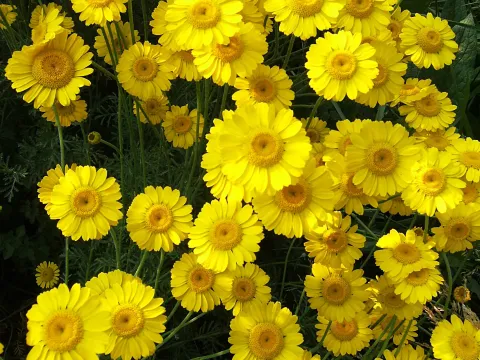
Anthemis hybrids
Anthemis hybrids
Sowing seeds of Anthemis hybrids should ideally take place in early spring once the risk of frost has passed. Direct seeding into prepared garden beds allows for a natural development cycle that suits the hardy nature of the plant.
What the section contains
Anthemis hybrids
For better control over germination, starting seeds in trays indoors during late winter is highly effective. Seeds require surface sowing and plenty of light to initiate the germination process, so they should not be covered with heavy layers of soil.
Maintain an environment with temperatures around 18 to 20 degrees Celsius to ensure consistent sprouting. Once seedlings develop their first true leaves, they should be thinned out or transplanted into individual pots to avoid overcrowding.
Hardening off the seedlings for a week before final transplanting into the garden ensures better survival rates. Space the plants approximately 30 to 40 centimeters apart to allow for adequate airflow and mature growth.
Autumn sowing is also an option in milder climates, as the cold stratification process can improve spring emergence. Ensure the site is well-drained and free from aggressive perennial weeds that could stifle young plants.
Anthemis hybrids belong to the Asteraceae family and are well-known for their adaptability to poor soil conditions. They thrive in sunny locations with well-draining, sandy or gravelly soil, as they are inherently adapted to dry environments.
The plant demonstrates remarkable drought tolerance once established, making it a perfect choice for rock gardens and xeric landscapes. Avoid planting in areas prone to waterlogging, as excessive moisture often leads to root rot.
While the plants do not require high levels of fertilization, a light application of compost in the spring provides sufficient nutrients. Over-fertilizing with nitrogen should be avoided, as it encourages soft growth that is more prone to pests and disease.
Originating from temperate zones in Europe and Asia, Anthemis hybrids are highly resistant to fluctuating temperatures. They perform best when provided with full sun, which prevents the stems from becoming leggy or weak.
Pruning is an essential maintenance task; cutting back the plants by one-third after the main flush of blooms promotes a second flowering cycle. Every few years, dividing the clumps helps keep the plants vigorous and prevents the centers from dying out.
Powdery mildew is the most common affliction, particularly in humid or stagnant conditions. Increasing spacing between plants and ensuring good air circulation are the most effective preventative measures against this fungal issue.
Root rot, triggered by heavy, poorly drained soil, is a frequent cause of decline. Always prioritize planting in elevated or well-draining garden spots to prevent water from pooling around the crown.
Aphids can pose a challenge, especially during the warm spring weather when new buds appear. Regular inspection and the use of insecticidal soap or neem oil are usually sufficient to manage moderate infestations.
Nematodes are less common but can cause stunting by attacking the root system. Proper crop hygiene and ensuring soil health are vital to prevent these soil-borne pests from compromising the plants.
Slugs and snails may target young, tender growth during rainy periods. Protecting new transplants with organic barriers or keeping the area weed-free can significantly reduce the potential for damage.
Harvesting for dried flowers or herbal use is best done when the blooms are fully expanded. Pick the flowers in the morning after the dew has evaporated but before the heat of the day causes essential oils to degrade.
Use sharp scissors to remove the flower heads along with a portion of the stem. Ensure that the materials harvested are free from dirt and pests to maintain the high quality of the final product.
Drying should be conducted in a dark, airy location to preserve the color and aromatic qualities of the plants. Hanging small bunches upside down or spreading them out on screens is a traditional and effective method.
Once completely dry, store the material in airtight containers in a cool, dark environment. This prevents moisture reabsorption and degradation from ultraviolet light, keeping the flowers usable for an extended period.
If grown for ornamental purposes, harvesting deadheads is beneficial. Removing spent flowers prevents the plant from diverting energy into seed production, which in turn extends the blooming season significantly.