
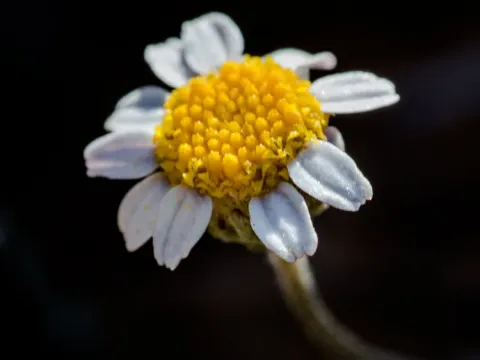
Anthemis glaberrima
Anthemis glaberrima
Anthemis glaberrima is a distinct species belonging to the Asteraceae family. This perennial plant is highly valued for its resilience in harsh, arid, and rocky environments where common agricultural crops often fail to thrive.
What the section contains
Anthemis glaberrima
The plant requires high levels of solar radiation and does not tolerate shaded areas. Optimal growth is observed on well-drained, porous soils that prevent moisture accumulation near the roots, as this species is highly susceptible to root decay under waterlogged conditions.
Climate adaptability is one of the key strengths of this culture. It demonstrates significant tolerance to extreme temperature fluctuations and seasonal droughts, making it a viable candidate for cultivation in arid climates or marginal lands.
Regarding soil fertility, Anthemis glaberrima thrives in calcium-rich, stony, or sandy soils. It does not require intensive fertilization; in fact, excessive nutrient levels can lead to succulent growth that is more prone to diseases and wind damage.
Proper field management involves maintaining adequate plant spacing to facilitate airflow. Because the species has evolved in naturally sparse plant communities, avoiding monoculture-induced stress is essential for successful, long-term yields.
Fungal diseases constitute the primary threat to Anthemis glaberrima populations, particularly during periods of high humidity. Powdery mildew can quickly spread across the canopy if plant density is too high and ventilation is inadequate.
Root rot, driven by stagnant water in the soil, remains the most significant risk to the longevity of the plantation. Implementing drainage systems in low-lying areas is a standard preventative measure used by professional growers.
Pest pressure from aphids and mites can occur during peak summer months. These insects target the developing inflorescences, which can result in reduced biomass yield and poor quality of the harvested botanical material.
Weed competition is particularly detrimental during the germination and seedling stages. Because the plant establishes slowly, early mechanical weeding is mandatory to ensure that the seedlings receive sufficient resources for healthy development.
Effective management strategies should focus on integrated pest and disease control, utilizing ecological practices that protect the plant without compromising its natural medicinal or biochemical profiles.