
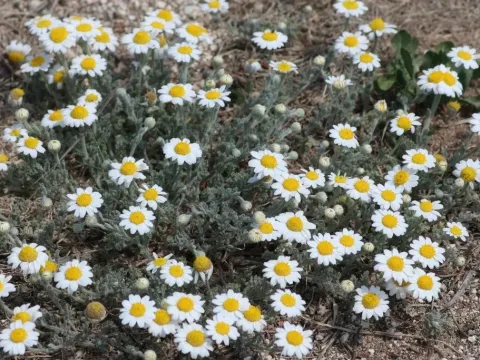
Anthemis parvifolia
Anthemis parvifolia
Anthemis parvifolia, a member of the Asteraceae family, is a specialized plant requiring careful sowing management. Seeds are typically sown in early spring, once soil temperatures stabilize around 10-12 degrees Celsius, facilitating optimal germination rates.
What the section contains
Anthemis parvifolia
Due to the small size of the seeds, shallow sowing is crucial. Seeds should be placed no deeper than 0.5–1 cm, ensuring that they receive adequate light exposure, which is necessary for triggering the germination process.
For large-scale cultivation, row planting with spacing of 45-60 cm is recommended. This setup provides sufficient room for plant development and allows for the use of mechanical weeding equipment to manage early-stage weed competition.
Uniformity in the seedbed is essential for consistent growth. Pre-sowing preparation, including testing for germination percentage and potentially using natural growth stimulants, can significantly improve crop establishment.
Strategic thinning may be necessary if sowing density is too high, preventing competition for nutrients and water, which ultimately determines the yield quality of the flower heads.
This species thrives in high-light conditions and should be cultivated in open areas free from shading. Direct exposure to sunlight is a key driver for the synthesis of secondary metabolites within the flower structures.
Soil composition should be light and well-draining, such as sandy loam, to prevent waterlogging, which is detrimental to the root system of Anthemis species. The plants are highly sensitive to stagnant moisture.
An ideal pH range for this crop is neutral to slightly alkaline. The presence of moderate calcium levels in the soil helps in strengthening cell walls, making the plants more resilient to environmental stress.
Anthemis parvifolia is characterized by its significant drought tolerance. This adaptability allows it to be grown in arid climates where water availability is a limiting factor for more demanding agricultural crops.
Fertilization should be handled with caution. High nitrogen inputs are discouraged, as they tend to promote excessive vegetative growth, which can lead to lower concentrations of active therapeutic components in the final harvest.
Fungal diseases represent the primary threat to this crop, particularly in environments with high humidity or poor air circulation. Powdery mildew can quickly spread across the canopy if conditions are favorable for fungal growth.
Pests such as aphids and small phytophagous insects are known to target the flower heads and tender foliage. They extract sap, which causes plant weakness and aesthetic damage to the harvestable product.
Crop rotation is a fundamental management practice to prevent the build-up of specific soil-borne pathogens. Avoiding consecutive cultivation on the same plot after other Asteraceae members is a necessary precaution.
Integrated pest management strategies should focus on monitoring and early detection. Physical removal or targeted organic treatments are preferred to maintain the purity of the medicinal raw material.
Effective weed control is critical during the initial growth stages, as the plant establishes slowly and can be easily outcompeted by more aggressive opportunistic plant species.
Harvesting is timed to coincide with the peak flowering period, when the concentration of essential active compounds in the flower heads is at its maximum. Proper timing is vital for ensuring high product quality.
Flowers are gathered by hand or using mechanical harvesters, collecting only the heads with short stalks. It is imperative that the harvested material is dry, so collection should always occur after morning dew has evaporated.
Immediate processing after harvest is necessary to prevent spontaneous heating and decay of the plant material. The raw crop should be transported to drying facilities without delay.
Drying must be conducted in well-ventilated areas or specialized ovens at temperatures not exceeding 45 degrees Celsius. This carefully controlled process preserves the integrity of volatile essential oils.
Post-harvest storage should take place in cool, dark, and dry conditions. Proper packaging protects the dried herb from environmental moisture, ensuring its efficacy until it reaches the final consumer.