
Sweet Sultan
Amberboa moschata (L.) DC.
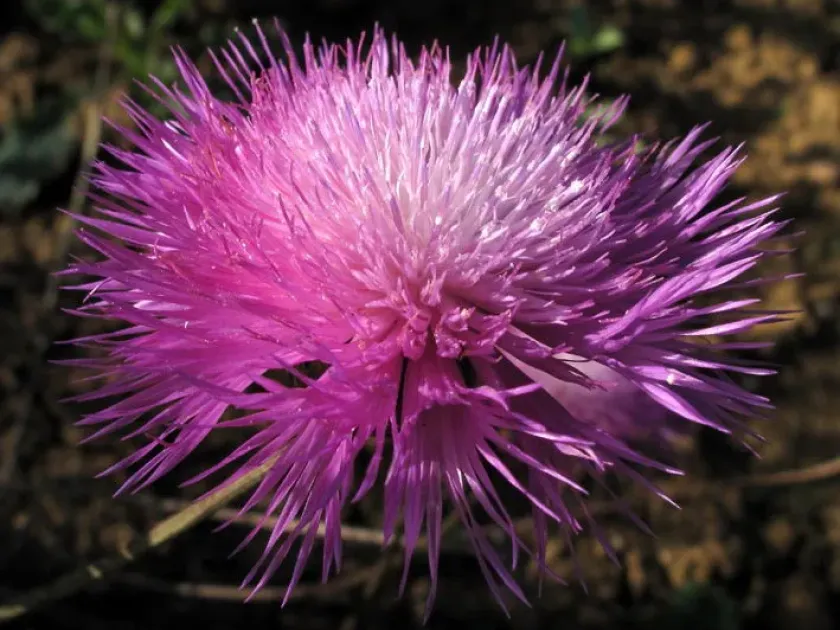
Description
Sowing dates
Sweet Sultan (Amberboa moschata) is a heat-loving annual crop, therefore sowing in open ground should only be carried out after stable warm weather has been established.
The optimal time for direct sowing of seeds into the soil is late April or May, when the top layer of soil has warmed up to 12–15 degrees Celsius.
To achieve earlier flowering in regions with short summers, a seedling method is used, sowing seeds in greenhouses or containers as early as March.
When sowing, seeds are buried 1–1.5 centimeters deep, keeping a distance between plants of at least 20–30 centimeters to ensure proper aeration.
Seedlings usually appear 10–14 days after sowing, provided there is regular watering and maintenance of moderate moisture in the substrate.
Growing requirements
This crop prefers open, sunny areas, as in the shade the stems tend to stretch and become weak, significantly reducing the intensity of flowering.
The plant has moderate soil requirements, but it grows best in light, well-drained loam or sandy soils with a neutral acidity level.
Sweet Sultan does not tolerate stagnant moisture near the root system, which can lead to rot, so ensuring good drainage on the site is crucial.
During the active growth phase, the crop requires regular but moderate watering, especially during the bud formation stage, to ensure prolonged flowering.
To enhance decorative qualities and stimulate growth, it is recommended to apply complex mineral fertilizers during the appearance of the first true leaves.
Main diseases and pests
The main threat to the crop includes fungal diseases, such as root rot and powdery mildew, which occur due to overwatering or poor air circulation.
Pests like aphids and spider mites can attack young shoots during dry periods, requiring timely treatment with insecticides or mild soap solutions.
To prevent disease outbreaks, it is recommended to practice crop rotation and avoid overcrowded plantings, ensuring free light access for every plant.
Slugs and snails can damage tender seedlings early in the growing season, so using protective barriers around garden beds during rainy weather is advisable.
Regular weeding is essential as weeds provide a favorable environment for pest reproduction and compete for vital nutrients in the soil.
Harvesting
For floral use, harvesting should take place when the flower heads are semi-opened, as the petal color is most vibrant and the musk scent is at its peak.
Cut stems of Sweet Sultan are known for their high vase life, retaining their fresh appearance and distinct musky aroma for an extended period.
For seed collection, the flower stalks should remain on the plant until the seed heads are fully mature, indicated by their browning and drying.
Seeds are harvested in dry, sunny weather to prevent premature mold growth during the cleaning or storage process.
After harvesting, the seeds are dried in a well-ventilated dark room, cleaned of plant debris, and stored in paper bags in a cool, dry location.