
Acanthocephalus amplexifolius
Acanthocephalus amplexifolius
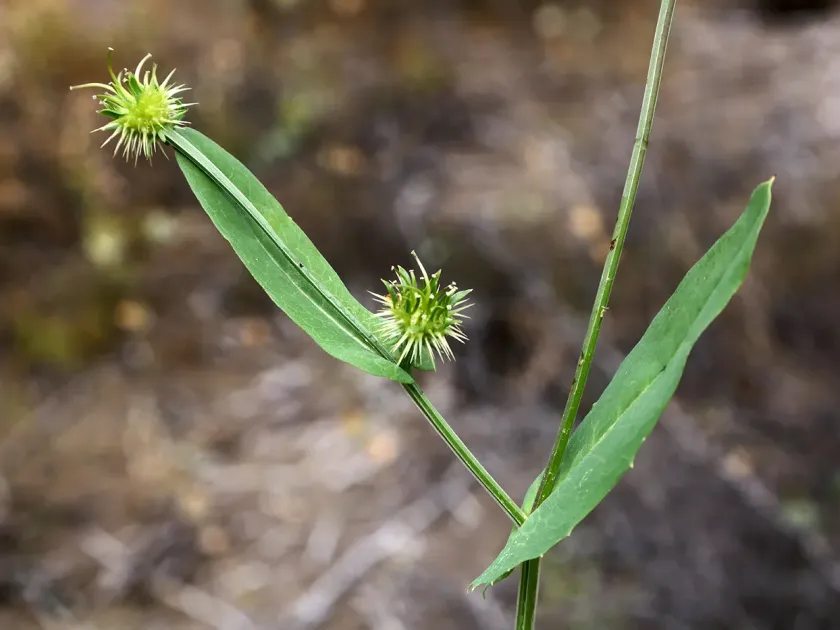
Description
Sowing dates
Acanthocephalus amplexifolius is an interesting botanical species belonging to the Asteraceae family. It is typically found in arid and semi-arid regions, showing high ecological resilience to harsh environmental conditions.
The sowing season is determined by the arrival of the spring rains. In agricultural practice, early spring sowing is preferred to utilize stored soil moisture, which is vital for the plant's germination and initial root development.
Seeds should be planted at a shallow depth of approximately 2–3 centimeters. Proper soil compaction after sowing is essential to ensure a consistent capillary supply of water to the seeds for uniform emergence.
Row spacing should be kept between 30 to 45 centimeters to facilitate mechanical weed control. Given the slow growth rate during the seedling phase, ensuring a clean field is crucial for the establishment of the crop.
The plant demonstrates a strong taproot system, so initial site preparation should include deep plowing. This allows the roots to penetrate deeper into the soil profile to access lower moisture levels during the dry season.
Growing requirements
Acanthocephalus amplexifolius is a xerophyte by nature, meaning it is perfectly adapted to dry environments. It thrives in high temperatures and can withstand extended periods without significant precipitation.
The preferred soil types include sandy loams and well-drained loamy soils. It has a notable tolerance for slightly saline conditions, which allows it to be grown on marginal lands that might otherwise remain unproductive.
Exposure to full sunlight is a prerequisite for healthy development. Shading results in weakened stems and lower production of specialized secondary metabolites, which are often the objective of cultivation.
Fertilization should be managed carefully, focusing on phosphate and potassium during the vegetative growth phase. Excessive nitrogen can cause rapid, succulent growth that makes the plant more vulnerable to physical stress.
Maintaining proper air circulation within the field is important, especially in regions with unexpected humidity spikes. Stagnant air and high moisture can significantly increase the risk of disease outbreaks.
Main diseases and pests
The primary threats include fungal pathogens such as leaf spot and powdery mildew. These diseases typically manifest under conditions of poor ventilation and excessive moisture accumulation on the foliage.
Pests such as various species of weevils and aphids can cause damage to the buds and tender vegetative parts. Monitoring these populations during the flowering period is critical to prevent yield losses.
Root rots are common where soil drainage is inadequate. This is often the result of poorly leveled fields or soil compaction, which prevents the proper movement of water through the soil profile.
Crop rotation is the most effective cultural practice for managing pests and diseases. By rotating with non-host species, producers can naturally reduce the pressure of specialized soil-borne pathogens.
When applying pesticides, the use of surfactants is recommended to ensure the coverage of the leaf surface, which is often protected by specialized hairs or spines characteristic of the Acanthocephalus genus.