
Astroloba congesta
Astroloba congesta
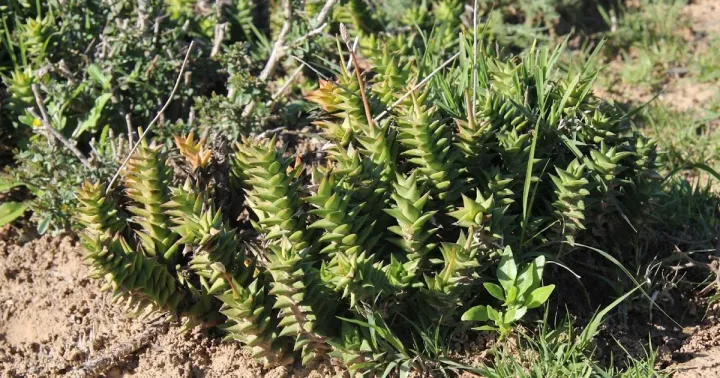
Description
Growing requirements
Astroloba congesta is a compact succulent species belonging to the Asphodelaceae family, native to the arid rocky regions of South Africa. It is highly valued for its geometric architecture, featuring spirally arranged, rigid leaves that form distinct columns.
To cultivate this species, one must provide a well-draining mineral-based potting mix, as the plant is highly susceptible to root rot if the substrate remains waterlogged for extended periods.
The plant thrives under bright, filtered light conditions, which help maintain its compact growth habit and prevent the etiolation that occurs in low-light environments.
Temperature requirements include maintaining a moderate climate during the growing season and allowing for a cooler, dry rest period during winter, which mimics its natural habitat.
Watering practices must be strictly controlled, ensuring the soil is completely dry before re-watering, while also providing adequate air circulation to prevent fungal build-up around the base of the plant.
Main diseases and pests
The primary threats to Astroloba congesta are often related to improper moisture management, which frequently leads to lethal bacterial or fungal soft rot.
Overwatering creates anaerobic conditions in the soil, which is the most common cause of root system failure in this particular succulent variety.
Mealybugs represent a significant pest threat, often colonizing the tight crevices between the leaves where they are shielded from manual removal and contact sprays.
Spider mites can also cause damage by feeding on the epidermis of the leaves, resulting in discolored patches that degrade the aesthetic value of the plant.
Effective pest management relies on early detection, maintaining high hygiene standards in the greenhouse, and the strategic application of appropriate systemic insecticides.