
Astroloba rubriflora
Astroloba rubriflora
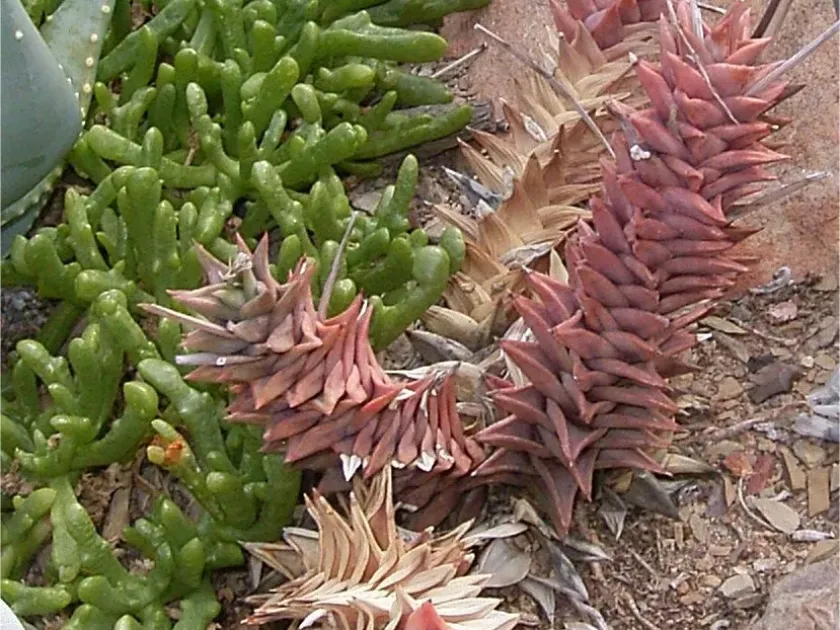
Description
Sowing dates
Propagation of Astroloba rubriflora via seeds is best undertaken during the spring months. The ideal environment for germination involves a well-draining sandy substrate kept at a steady temperature between 20 and 25 degrees Celsius.
Seeds should be sown on the surface and lightly covered with fine grit. Maintaining consistent humidity without waterlogging is crucial for the successful development of young seedlings.
Using a plastic cover or glass lid over the tray helps retain moisture during the initial phase. This micro-environment must be ventilated regularly to prevent mold from forming on the soil surface.
Once seedlings develop their first set of true leaves, they can be transplanted into small individual pots. Using pots with large drainage holes is essential to prevent early root rot.
Hardening off young plants requires gradual exposure to increased light levels. This ensures the compact growth habit that is characteristic of mature Astroloba specimens.
Growing requirements
Astroloba rubriflora belongs to the Asphodelaceae family and originates from arid parts of South Africa. It thrives in bright, indirect light but should be protected from intense mid-summer sun.
The plant requires a highly porous soil mix. A standard cactus substrate enriched with pumice, perlite, or coarse lava rock provides the necessary drainage for its sensitive root system.
Watering should be performed only when the soil has completely dried out. During the winter dormancy period, watering should be reduced to a minimum to keep the plant in its resting state.
Avoid getting water into the center of the leaf rosettes, as this often leads to decay. Good airflow is recommended to keep the foliage dry and healthy throughout the year.
Temperature management is key to long-term success. While it prefers warm days during the growing season, a cooler rest period at 10–15 degrees Celsius helps promote flowering.
Main diseases and pests
Root rot is the most frequent and dangerous issue for this species. It is almost exclusively caused by overwatering or poor drainage, which prevents the roots from accessing necessary oxygen.
Mealybugs are common pests that tend to hide in the tight crevices between leaves. Careful observation is required to spot these pests early before they form large colonies.
Spider mites can also infest the plant in dry, low-humidity conditions. Using targeted acaricides or gently wiping leaves with a mild soap solution can effectively manage these infestations.
Improper lighting conditions lead to structural issues such as stretching (etiolation). Once a succulent has stretched, it cannot regain its original shape, which negatively impacts aesthetics.
Regular maintenance, including removing dead leaves and ensuring cleanliness in the growing area, significantly reduces the likelihood of fungal outbreaks and pest attacks.