
Eleutherococcus trifoliatus
Eleutherococcus trifoliatus (L.) S. Y. Hu
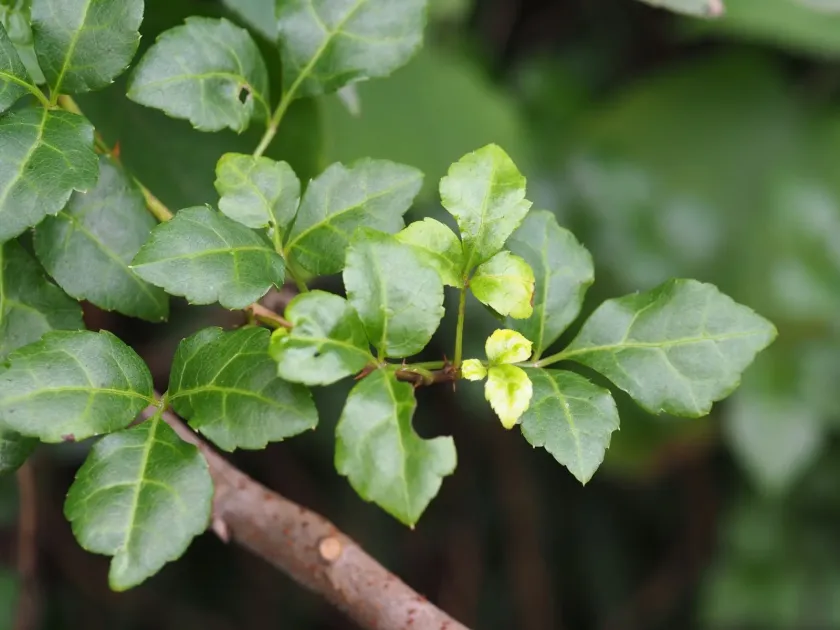
Description
Sowing dates
Eleutherococcus trifoliatus is a perennial shrub belonging to the Araliaceae family. Propagation is primarily achieved through seeds, which require a period of cold stratification to overcome dormancy.
For best results, seeds should be sown in the autumn directly into the field or started in greenhouse trays in early spring. The sowing depth should remain shallow, roughly 1 to 2 centimeters to ensure healthy germination.
Initial growth is notoriously slow, requiring constant weeding and monitoring. Maintaining a stable moisture level in the seedbed is critical for the success of the establishment phase.
Vegetative propagation via softwood cuttings is a preferred method for commercial cultivation to ensure genetic uniformity. Cuttings are typically taken during the active growth season and placed in a rooting medium.
Transplanting to the final site is performed once the root system is well-developed, usually in the spring when soil temperatures allow for active growth and establishment.
Growing requirements
This crop thrives in well-drained, fertile soil rich in organic matter. While it prefers full sun, younger plants benefit from partial shade to protect them from heat stress during the summer months.
Good drainage is essential, as the species is highly susceptible to root rot if water stagnation occurs. The soil pH should be maintained in the slightly acidic to neutral range for optimal nutrient uptake.
Consistent irrigation is required during the dry spells of the growing season. Applying mulch around the base of the plant helps maintain soil moisture levels and reduces weed competition.
Fertilization regimes should prioritize organic inputs, supplemented by periodic balanced NPK applications in the spring. Over-fertilization with nitrogen late in the season should be avoided.
Winter hardiness is generally sufficient in established plants, but protecting young seedlings from severe frost is recommended to prevent damage to the terminal growth points.
Main diseases and pests
The main pathogens affecting this crop are various root and soil-borne fungi, often introduced through improper watering techniques. Preventative measures include proper spacing and adequate drainage.
Leaf spots caused by fungal pathogens can appear during periods of high humidity and poor air circulation. Proper sanitation, such as removing infected leaves and debris, is essential.
Aphids and spider mites are the most common pests, targeting the tender foliage and shoot tips. Integrated pest management, including biological controls, is highly effective.
Soil-dwelling larvae can damage the root system, potentially causing stunted growth or plant death. Regular monitoring and, if necessary, soil treatments are advised to mitigate this risk.
Maintaining high standards of field hygiene and ensuring that the plants are not overcrowded are the primary ways to reduce the impact of typical pests and diseases.
Harvesting
Harvesting for medicinal use (roots and leaves) begins when the plant is at least four to five years old. Roots are typically harvested in the late autumn after the foliage has naturally faded.
Leaves are collected throughout the summer, ensuring they are free from pests or disease. Proper drying in a shaded, well-ventilated area ensures the preservation of active components.