
Eleutherococcus gracilistylus
Eleutherococcus gracilistylus (W. W. Sm.) S. Y. Hu
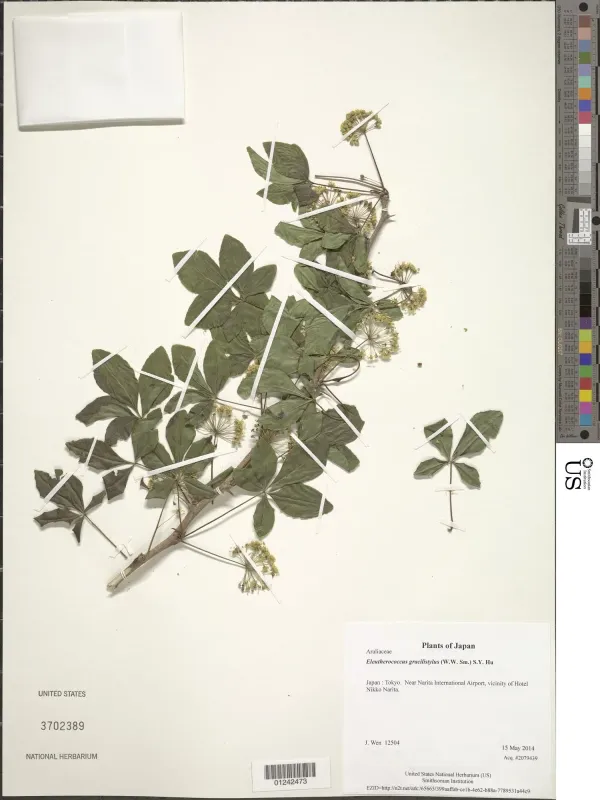
Description
Sowing dates
Eleutherococcus gracilistylus is a perennial shrub belonging to the Araliaceae family, primarily propagated through seeds or vegetative cuttings. Seeds require a mandatory long period of cold stratification, typically lasting 3 to 4 months at temperatures between +1 and +5 degrees Celsius.
In commercial agriculture, seeds are often sown in prepared beds during the autumn, allowing them to undergo natural stratification throughout the winter. If spring sowing is preferred, seeds must be pre-treated in cold storage to break dormancy.
The planting depth for seeds is generally 1.5 to 2 centimeters. Maintaining consistent soil moisture is crucial, as germination is slow and the seedlings are highly sensitive to drought in their first year of life.
Vegetative propagation via cuttings is a common practice conducted in greenhouses with controlled humidity. This method ensures the cloning of desirable parent traits and significantly shortens the time required to produce ready-to-plant nursery stock.
Seedlings should be transplanted into the plantation in early spring before the start of the sap flow or in late autumn after growth has ceased. Proper spacing, usually 2.5 by 1.5 meters, is essential for optimal growth and root development.
Growing requirements
The plant prefers areas that receive filtered or partial sunlight, especially during its younger stages. While mature plants are more tolerant of full sun, protection from strong, desiccating winds is necessary for consistent performance.
The ideal soil is fertile, well-drained, and slightly acidic to neutral in pH. Avoid planting in heavy clay or waterlogged soils, as the root system of Eleutherococcus is prone to rotting under anaerobic conditions.
Regular irrigation is required during the growing season, particularly in arid climates or during dry spells. Mulching around the base of the plants helps to retain soil moisture and suppresses the growth of competitive weeds.
Organic fertilization, such as compost or well-rotted manure, applied every two years is sufficient to maintain soil fertility. Excessive use of high-nitrogen fertilizers should be avoided to prevent weak growth and improve winter hardiness.
The plant is known for its cold tolerance once established, though young specimens should be mounded and covered with protective mulch in regions with harsh, snowless winters to prevent root damage.
Yield
The primary part of the plant harvested for its medicinal properties is the root and rhizome, which contain active compounds known as eleutherosides. Harvesting is typically delayed until the plants are at least 5 to 7 years old.
Average yields of dry roots vary depending on the plant's age and soil conditions, generally providing between 0.5 and 1.5 kg per mature shrub. Commercial plantations require consistent maintenance to ensure stable annual production.
The concentration of beneficial bioactive substances peaks during the autumn months as the plant enters dormancy. Therefore, harvesting is strategically timed during this period to ensure the highest medicinal quality of the collected material.
Productivity can be enhanced by periodic pruning of older, less active branches, which stimulates the growth of new, vigorous root suckers. Modern extraction techniques are also applied to ensure that the yield is processed efficiently.
The end product is highly valued by the pharmaceutical industry for the production of adaptogenic extracts, tinctures, and supplements. These products are widely used to enhance human physical and mental resilience against stress.
Main diseases and pests
While relatively hardy, the crop is susceptible to root rots if soil drainage is inadequate. Ensuring proper water management is the most effective way to prevent these fungal-related issues during the wet season.
Aphids and spider mites are the most common pests that can infest young leaves. Early detection through regular field inspections and the use of eco-friendly biological control agents are recommended to minimize damage.
Fungal leaf spots can occur in dense plantings with poor air circulation. Regular thinning and pruning are necessary to maintain healthy growth and reduce the risk of disease spread within the plantation.
Weed control is critical during the first two years after planting, as the shrub is slow to establish its own defensive canopy. Manual weeding and mechanical inter-row cultivation help keep competition at bay.
Small mammals and rodents may occasionally gnaw on the bark of young shrubs during winter. Using protective mesh or tree guards can be an effective strategy for preventing damage from local wildlife.
Harvesting
Harvesting involves carefully digging up the rhizomes using mechanical diggers or hand tools to minimize physical damage. Removing the roots without breaking them too much is essential for preserving the quality of the raw material.
After collection, the roots must be thoroughly washed with clean water to remove all soil and organic debris. Any decayed or discolored segments should be discarded immediately to ensure the purity of the final product.
Drying should take place in a well-ventilated area or a specialized drying oven at temperatures below 50 degrees Celsius. Excessive heat can degrade the heat-sensitive medicinal compounds present in the roots.
Once dried, the roots become brittle and are stored in paper bags in cool, dark, and dry locations to maintain their shelf life. Proper storage is vital for preventing re-hydration and mold development.
Standardized documentation of the harvest—including location, date, and processing method—is required to ensure that the material meets pharmaceutical regulatory standards for distribution and retail.