
Eleutherococcus lasiogyne
Eleutherococcus lasiogyne
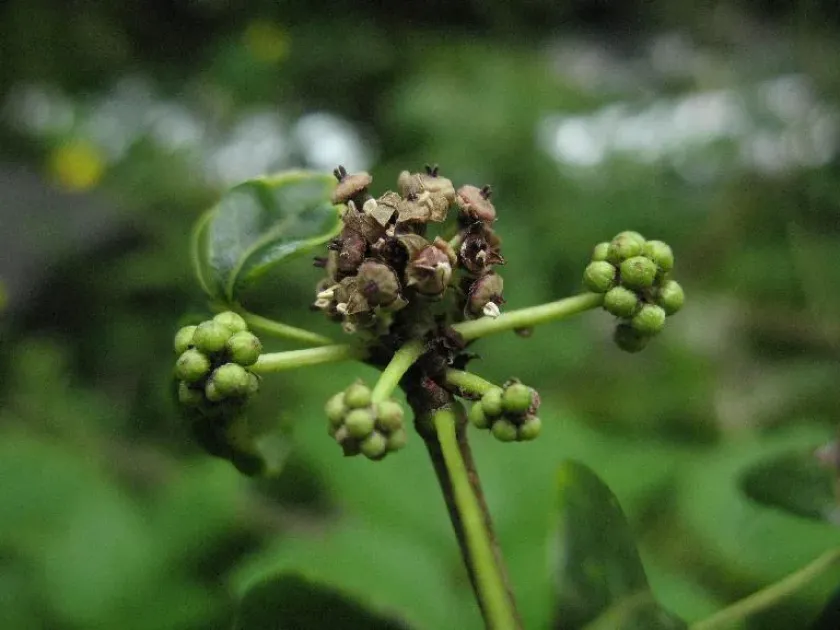
Description
Growing requirements
Eleutherococcus lasiogyne is a woody shrub belonging to the Araliaceae family. It is recognized for its pharmacological potential and is closely related to better-known species in the genus Eleutherococcus.
Originating from the mountainous regions of Western China, the plant has adapted to cooler, high-altitude climates. It requires consistent light exposure and protection from harsh winds to thrive in cultivated conditions.
The ideal soil for this species is well-drained, fertile, and slightly acidic. It is sensitive to waterlogging, so incorporating organic matter into a sandy loam base is highly recommended for root health.
Agronomic management involves regular weeding and mulching during the first few years of establishment. The plant shows moderate growth rates and requires steady moisture levels during the peak summer months.
Harvesting for medicinal purposes focuses on the roots and rhizomes, which contain bioactive glycosides known for their tonic and stress-reducing properties in traditional and modern medicine.
Main diseases and pests
Like many members of the Araliaceae family, Eleutherococcus lasiogyne is susceptible to root pathogens if the soil structure is not maintained properly throughout the growth cycle.
Root rot caused by soil-borne fungi is a major concern, particularly in areas with poor drainage. Implementing a rigorous irrigation schedule is the primary defense strategy against these pathogens.
Pests such as spider mites and various species of aphids may infest the foliage during hot and dry spells. Regular scouting of the plantation is essential to prevent severe damage to leaves.
Fungal leaf spots can occur in humid environments with poor air circulation. Proper spacing between plants significantly reduces the risk of these infections by promoting airflow.
Maintaining plant vigor through balanced nutrition ensures the crop can naturally resist low-level pest infestations, reducing the need for chemical interventions on the medicinal harvest.