
Dendropanax trifidus
Dendropanax trifidus
Description
Growing requirements
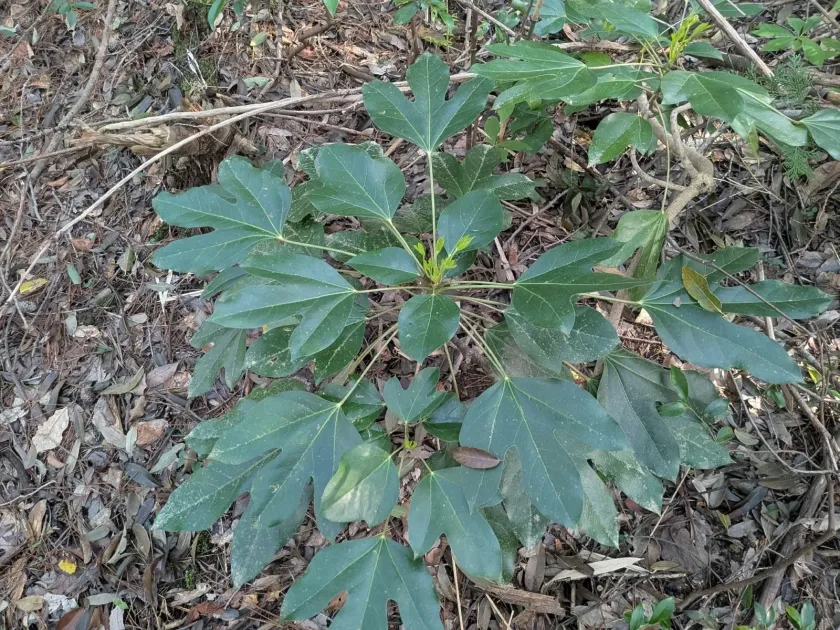
Dendropanax trifidus is an evergreen shrub or tree belonging to the Araliaceae family, native to the temperate forests of East Asia, primarily Japan and South Korea. Known for its distinct foliage, which varies from simple to three-lobed, it is a highly valued ornamental species in both private and public gardens.
The plant thrives in partial shade, preferring protection from direct, harsh sunlight which can scorch the glossy leaves. It requires a stable temperate climate, with an optimal growth temperature range between 18 and 25 degrees Celsius, and needs protection from heavy frosts during the winter months in colder regions.
Soil conditions should be characterized by high fertility and excellent drainage, ideally maintaining a slightly acidic to neutral pH. Regular hydration is essential, but it is critical to avoid waterlogging the root system, as the species is highly susceptible to root rot in saturated conditions.
Agrotechnical maintenance includes consistent fertilization during the active growing season to support lush foliage development. Pruning is recommended in early spring to shape the plant and remove any weak or diseased growth, which helps maintain the aesthetic appeal and overall health of the specimen.
While primarily used for ornamental purposes in interior and landscape design, the wood of Dendropanax trifidus is historically associated with traditional lacquerware craftsmanship in its native range. The species acts as a bridge between traditional botanical utility and modern aesthetic applications in horticulture.
Main diseases and pests
Root pathogens constitute the main threat to this crop, largely triggered by poor irrigation management or insufficient soil drainage. Maintaining a proper balance between moisture and soil aeration is the most effective cultural practice to prevent fungal infections and root decay.
In terms of pests, spider mites, scale insects, and mealybugs are the primary concerns, especially in indoor or greenhouse settings where air humidity may fluctuate. Integrated pest management, including the use of horticultural oils or systemic insecticides, is advised to control infestations and protect plant vitality.