
Dendropanax cuneatus
Dendropanax cuneatus
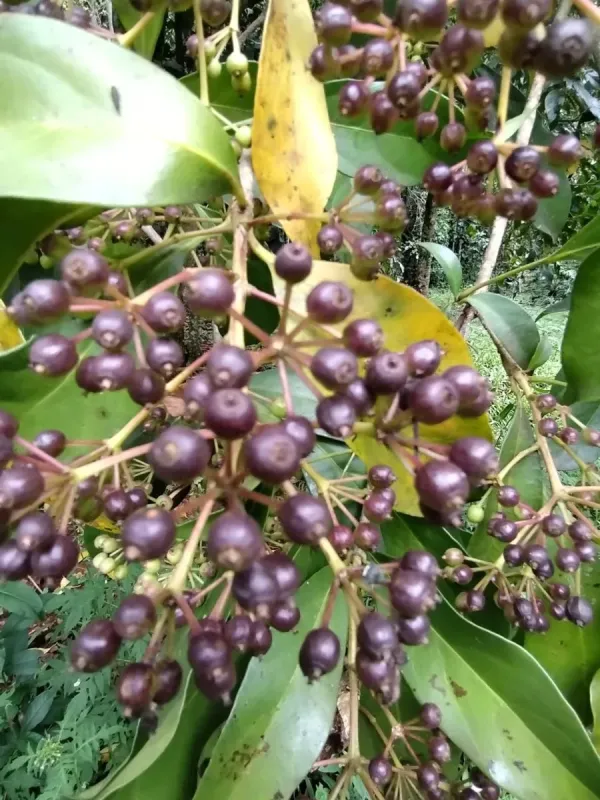
Description
Growing requirements
Dendropanax cuneatus is a woody perennial belonging to the Araliaceae family, known for its elegant foliage and architectural growth habit. It serves both ornamental purposes and has potential in specialized botanical horticulture.
The species originates from the tropical rainforests of Southeast Asia. It thrives in humid, frost-free climates and is well-adapted to environments where canopy cover provides filtered light and stable atmospheric conditions throughout the year.
For optimal development, it requires a well-draining, nutrient-rich potting mix or soil enriched with organic compost. It is crucial to maintain a slightly acidic to neutral soil pH to ensure the availability of essential micronutrients for healthy leaf production.
Light management is a critical factor in the cultivation of this species. While it adapts to low-light conditions, moderate indirect light encourages a denser canopy and better structural integrity of the branches.
Watering requirements must be balanced to maintain consistent soil moisture without triggering root hypoxia. During the growing season, a high humidity level is preferred, which can be achieved through regular misting or automated irrigation systems in greenhouse settings.
Main diseases and pests
Common pests associated with this crop include spider mites, particularly in environments with low relative humidity. They thrive on the undersides of the leaves, causing stippling and eventual chlorosis of the foliage.
Root rot, often caused by overwatering or poor drainage, remains the most frequent pathology for this plant. If the substrate remains waterlogged for extended periods, roots lose their ability to respire, leading to rapid decline.
Fungal leaf spot diseases may appear when the foliage stays wet for prolonged periods without adequate air movement. Improving vertical and horizontal airflow within the planting space is an essential preventive cultural practice.
Scale insects can establish themselves on the stems and leaf stalks, feeding on the plant's sap and secreting honeydew. This often invites sooty mold growth, which further inhibits photosynthesis and affects plant vigor.
Integrated Pest Management (IPM) protocols are recommended to manage these threats. By rotating chemical interventions with biological controls and maintaining optimal sanitation, growers can preserve the plant's health and appearance.