
Atlantic ivy
Hedera hibernica
Description
Growing requirements
Atlantic ivy (Hedera hibernica) is a vigorous, evergreen woody vine belonging to the Araliaceae family. Native to the Atlantic coastal regions of Europe, this species has become a staple in ornamental horticulture due to its rapid growth rate and lush foliage. It is widely recognized for its ability to create dense vegetative cover in various landscapes.
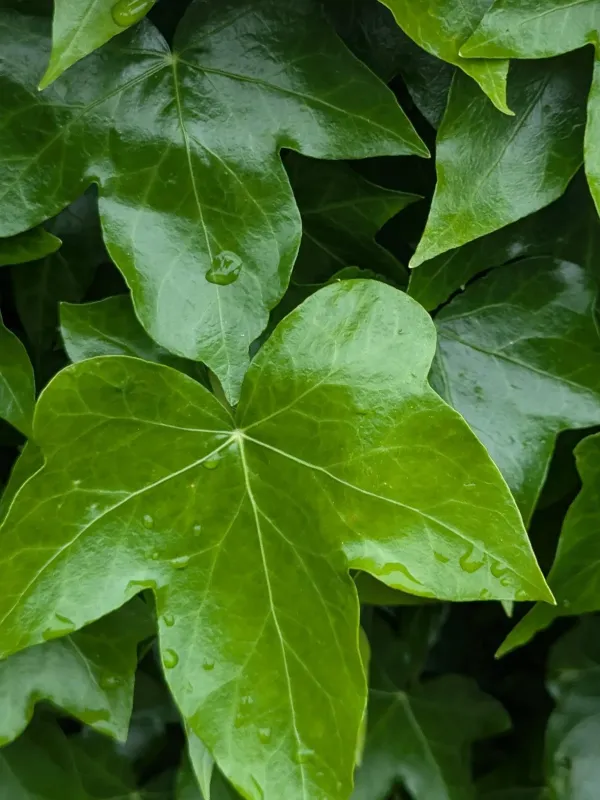
Botanically, the plant is characterized by large, glossy, dark green leaves with a leathery texture. Unlike some other ivy species, Hedera hibernica produces broader leaf blades and demonstrates a more aggressive spreading habit. Its specialized aerial roots allow it to climb rough surfaces such as stone, brick, and wooden supports, providing year-round structural interest.
The climate requirements for this culture are centered on moderate temperature ranges and high atmospheric humidity. While it exhibits strong shade tolerance, the plant thrives best in filtered light conditions. Excessive exposure to intense midday sun is detrimental to its foliage, as it can cause significant scorching during the peak of summer.
In terms of soil, Atlantic ivy prefers deep, nutrient-rich, and well-draining soils. It is sensitive to waterlogged conditions, which may lead to root rot and diminished vigor. The optimal soil pH is slightly acidic to neutral, which supports the efficient uptake of micronutrients necessary for maintaining the deep green color of the leaves.
Economically and aesthetically, this ivy is a primary choice for vertical greening and erosion control. Its dense growth habit makes it an excellent ground cover for shaded areas where other plants fail to establish. Furthermore, it serves as a valuable architectural element, masking unsightly walls and fences while providing a habitat for beneficial microfauna.
Main diseases and pests
The most common disease threats include leaf spot and various fungal infections triggered by inadequate drainage or high humidity around the foliage. Proper pruning and thinning of dense growth are recommended to improve airflow and reduce the risk of pathogen colonization.
Pest management for Hedera hibernica focuses on controlling sap-sucking insects such as scale insects and spider mites. These pests typically infest the plant under stress or in overly dry conditions, necessitating consistent monitoring and the application of appropriate horticultural soaps or systemic insecticides when required.