
Chengiopanax sciadophylloides
Chengiopanax sciadophylloides
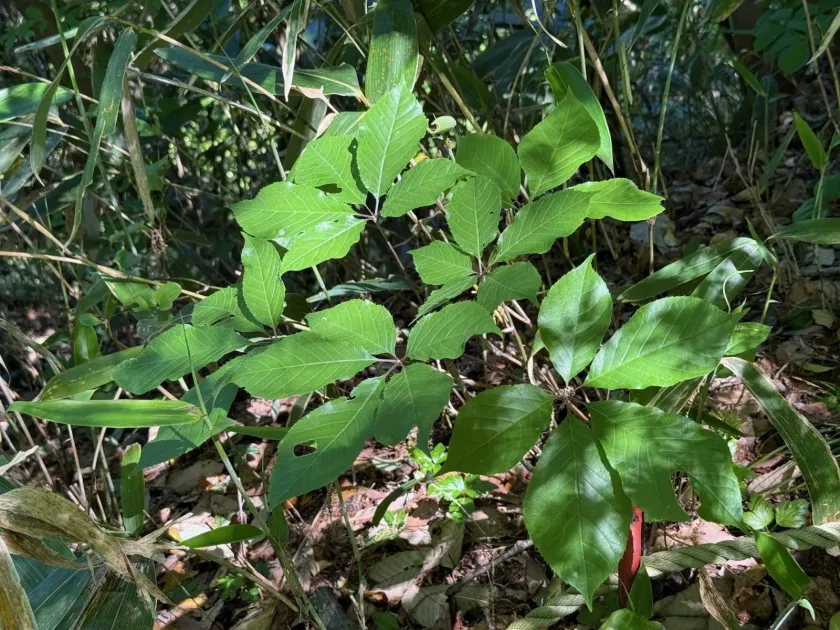
Description
Growing requirements
Chengiopanax sciadophylloides is a deciduous tree belonging to the Araliaceae family. Native to the mountain forests of Japan and East Asia, it is recognized for its umbrella-like leaf arrangement and elegant habit.
To ensure optimal growth, the species requires a temperate climate with high humidity levels. It thrives best in well-drained, acidic to neutral soils enriched with organic matter, mimicking its natural forest floor habitat.
The botanical structure of this tree features large, palmately compound leaves that grow in terminal whorls. The plant is relatively slow-growing, which is a crucial factor to consider when planning its placement in a landscape or orchard setting.
Agricultural practices for this crop involve maintaining consistent moisture levels during the growing season and providing winter protection for young saplings. Mulching is highly recommended to protect the root system from extreme temperature fluctuations.
In terms of хозяйственное usage, the tree is primarily valued for its ornamental contribution to botanical collections and sophisticated landscaping projects, often providing a focal point due to its distinct foliage and texture.
Main diseases and pests
While Chengiopanax sciadophylloides is relatively robust in its preferred environment, it can be susceptible to various health issues if site conditions are not properly maintained.
Fungal pathogens causing leaf spot and bark canker are among the most common threats. These typically emerge in crowded or poorly ventilated planting locations where humidity remains excessively high.
Pest pressure from aphids and scales can occur, particularly in nursery stages. These insects feed on sap, which can stunt the development of the tree and decrease its overall decorative value.
Effective management strategies include implementing proper spacing during planting to allow for adequate airflow and conducting periodic biological pest control treatments.
Gardeners should prioritize monitoring the foliage and bark condition throughout the active growth phase, as early detection of stressors is key to maintaining the long-term health of this specialized plant.