
Brassaiopsis hainla
Brassaiopsis hainla
Description
Growing requirements
Brassaiopsis hainla is an evergreen shrub or small tree belonging to the Araliaceae family. In its natural habitat, it grows in the mountain forests of the Himalayas and Southeast Asia.
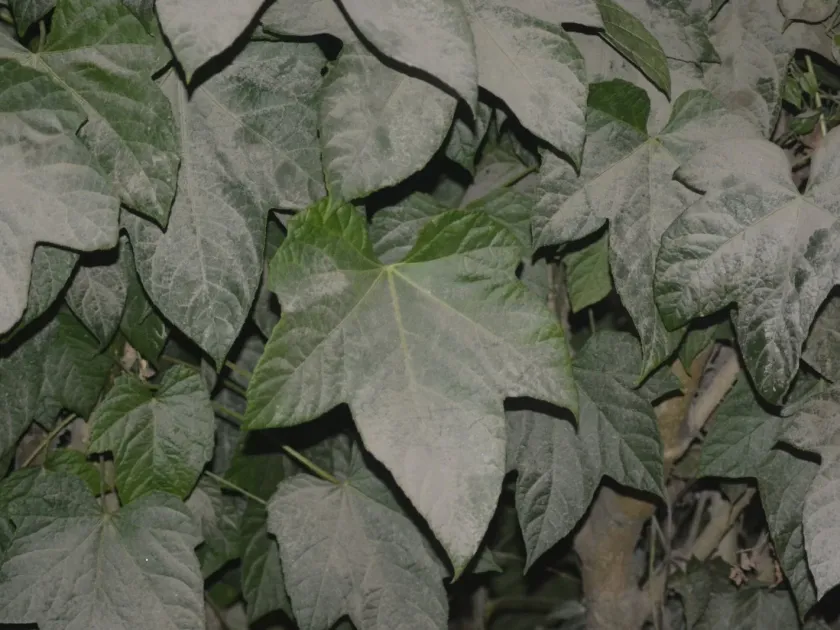
The plant is valued for its striking, large palmate leaves that grow to impressive sizes, creating a distinct tropical aesthetic. Its stems are often covered with small thorns, which is a characteristic trait of the species within this genus.
For successful growth, the crop requires moist, well-drained, and organic-rich soils with a slightly acidic reaction. The plant prefers semi-shaded areas, as direct sunlight can cause scorching of its large leaf surfaces.
The temperature regime should be moderately warm, as Brassaiopsis hainla is sensitive to severe frosts and temperature fluctuations. It is essential to maintain stable air and soil humidity throughout the growing season.
In terms of practical use, this species is most commonly found in private gardens and botanical collections as an ornamental foliage plant. In colder climates, it is cultivated in greenhouses or as a container plant that is brought indoors during winter.
Main diseases and pests
The main threats to the plant are insect pests such as spider mites and scale insects, which multiply rapidly in the low-humidity environment typical of indoor spaces.
Root rot poses a serious risk when overwatering occurs or if the soil drainage is inadequate. It is critical to monitor the substrate and prevent waterlogging around the root collar.
Powdery mildew can occur due to poor air circulation and drastic humidity changes, requiring timely application of fungicide treatments.
Fungal leaf spots frequently affect the crop when planting density is too high or moisture remains on the foliage for extended periods.
Improper fertilization can lead to micronutrient deficiencies, manifesting as chlorosis or premature leaf drop.