
Brassaiopsis mitis
Brassaiopsis mitis
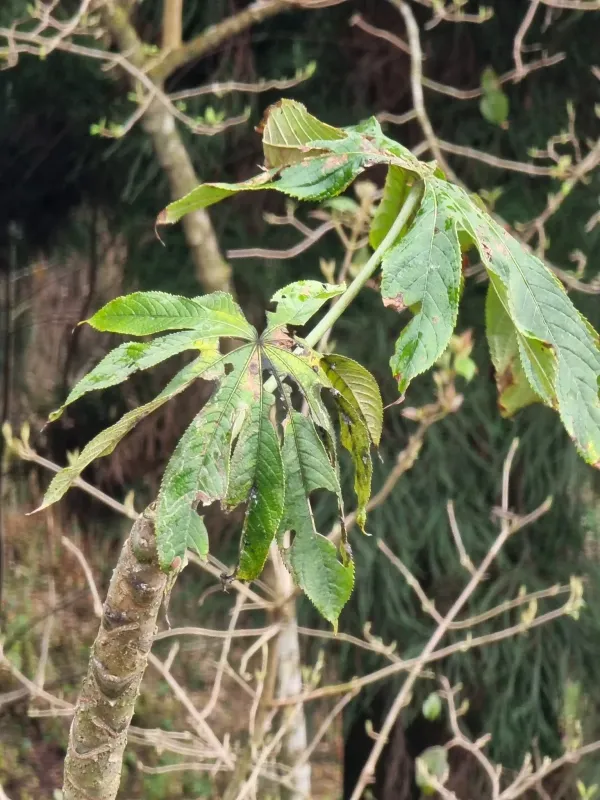
Description
Sowing dates
The propagation of Brassaiopsis mitis is primarily achieved through seeds or stem cuttings, requiring specific environmental conditions for successful germination.
Seeds should be sown in a well-draining, peat-based sterile medium in early spring to take advantage of natural light and temperature increases.
Pre-treatment of seeds, including soaking or light scarification, often improves the germination rate significantly compared to direct sowing without preparation.
Cuttings are sourced from semi-hardwood stems and placed under mist propagation systems or plastic domes to maintain the required high humidity levels.
Once roots are established, the seedlings should be carefully transitioned to larger pots to avoid root damage before being moved to their final growing site.
Growing requirements
Brassaiopsis mitis is a distinct member of the Araliaceae family, characterized by its large, lobed leaves and unique shrub-like structural growth habit.
The plant thrives in deep, fertile soils that are rich in organic matter and possess an excellent drainage profile to prevent water stagnation around the roots.
It prefers filtered sunlight or semi-shaded environments, making it an ideal candidate for woodland gardens or protected greenhouse cultivation.
Temperature management is crucial; the plant is sensitive to cold stress and performs best in stable, frost-free climates with moderate heat levels.
Consistent moisture levels are essential for the foliage to maintain its ornamental value, necessitating irrigation strategies that adapt to local climate conditions.
Main diseases and pests
Common agricultural threats include infestations by spider mites and scale insects, which can cause significant damage to the plant's structural integrity.
Fungal pathogens represent the most serious threat to Brassaiopsis mitis, particularly during periods of high humidity and poor air circulation.
Root rot, often caused by overwatering or compacted soil, remains the primary cause of mortality for this species in intensive cultivation environments.
Integrated pest management (IPM) practices, such as biological control and timely application of fungicides, are recommended to protect the crop.
Regular monitoring of the leaf undersides and the stem base allows for early detection of potential issues before they escalate into crop loss.