
Trepocarpus
Trepocarpus aethusae
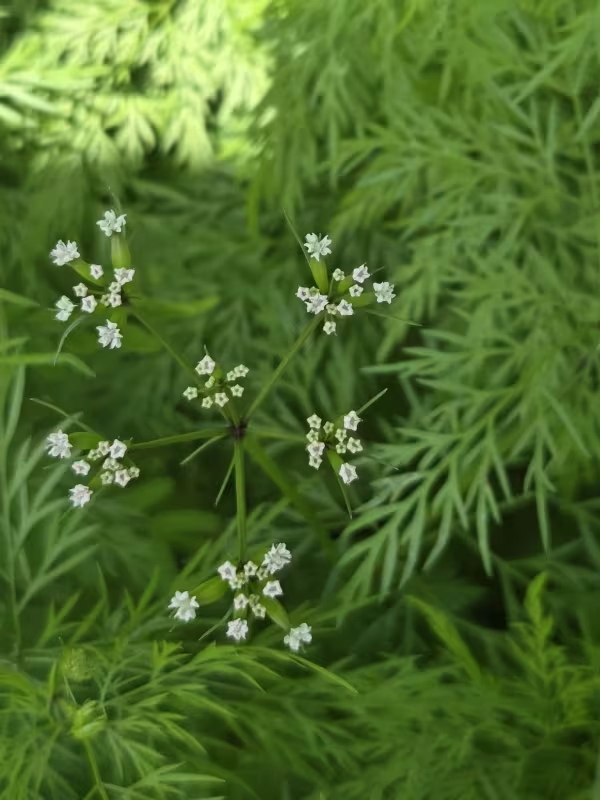
Description
Sowing dates
Trepocarpus (Trepocarpus aethusae) belongs to the Apiaceae family and requires specific attention to sowing conditions to ensure proper germination. The timing of sowing is critical and should be aligned with the local frost-free period.
In most regions, early spring sowing is recommended as soon as the soil can be safely worked. This allows the plant to establish its root system before the onset of high summer temperatures.
The seeds should be sown at a shallow depth of approximately 1.5–2 cm to ensure they emerge correctly. Surface drying of the soil must be prevented during the germination phase to maintain high vigor.
Density management is vital for this crop. Excessive density leads to competition for nutrients and increased susceptibility to fungal diseases, whereas low density may result in uneven growth.
For research or nursery purposes, stratification of seeds can improve the uniformity of germination, as this species may exhibit a period of dormancy in its natural state.
Growing requirements
Trepocarpus thrives in moist, well-drained soils rich in organic matter. It prefers a pH balance in the neutral range, though it can tolerate slightly acidic soils common in its natural range.
Consistent moisture is the primary requirement for successful cultivation. The species is sensitive to water stress; therefore, maintaining soil moisture levels through drip irrigation is highly recommended.
The crop prefers locations with filtered light or partial shade. Exposure to intense, direct afternoon sun can cause leaf scorch and premature bolting, which reduces the vegetative quality of the plant.
Soil aeration is essential to prevent root rot, which is a common issue in poorly draining substrates. Incorporating compost or well-rotted manure during site preparation can enhance soil structure.
The plant benefits from moderate temperatures, ideally between 18°C and 24°C. Protecting the crop from strong winds is also advised, as the stems can be delicate and prone to physical damage.
Main diseases and pests
Fungal pathogens such as powdery mildew represent a significant threat during periods of high humidity and poor air circulation. Sanitation practices are essential to manage these risks effectively.
Pests like aphids are common in the Apiaceae family and can accumulate on the plant's succulent growth. Regular monitoring allows for early detection and intervention before the infestation becomes severe.
Root system vulnerability to soil-borne pathogens increases if the site has poor drainage. Careful water management and avoiding excessive irrigation are key preventative strategies for the grower.
Insects like spider mites may occur during dry, hot spells. Managing the microclimate through misting or maintaining humidity around the plants can mitigate the risk of mite damage.
Crop rotation is the cornerstone of preventing soil-borne disease buildup. Avoid planting Trepocarpus in the same plot for at least three consecutive years to ensure healthy yields and soil vigor.