
Field hedgeparsley
Torilis arvensis (Huds.) Link
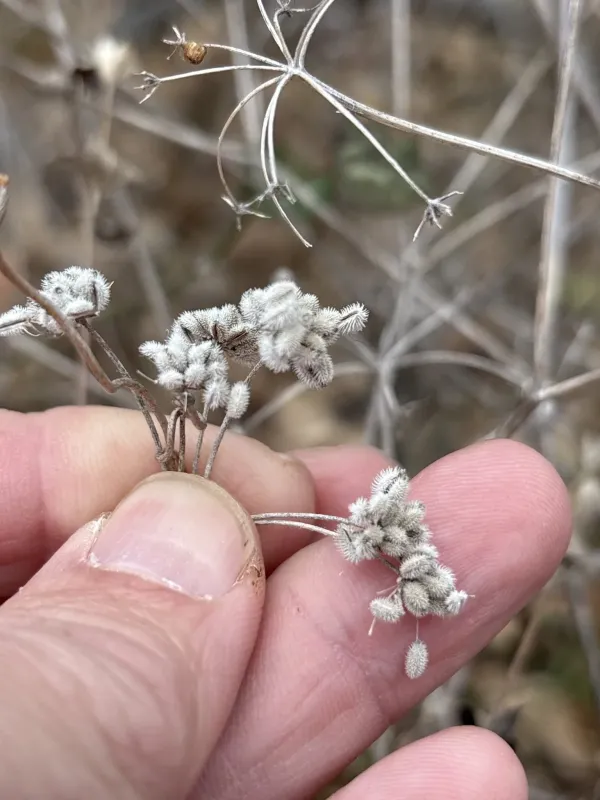
Description
Growing requirements
Field hedgeparsley (Torilis arvensis) is an annual plant belonging to the Apiaceae (parsley) family. In an agricultural context, it is widely recognized as a problematic weed that interferes with crop development, especially in cereal fields.
The plant typically grows to a height of 30–90 cm, featuring branched stems and bipinnate leaves. Its inflorescences are typical umbels, which produce small, hooked seeds that easily attach to animals and farm machinery, facilitating wide dispersal.
Regarding soil and climatic conditions, this species thrives in temperate climates. It prefers well-drained, calcareous, or loamy soils and is frequently found in disturbed habitats, field margins, and fallow lands across Europe and North Africa.
It displays remarkable adaptability to varying light intensities, though it prefers sunny, open environments. Its growth cycle usually starts in spring, with seed production reaching its peak by mid-to-late summer.
Cultural control strategies include maintaining crop density and implementing precise fertilizer application. By maximizing the growth of the desired crop, farmers can successfully outcompete Torilis arvensis for essential soil nutrients and sunlight.
Main diseases and pests
This plant species can serve as an alternative host for several pests and diseases common to the Apiaceae family. It is known to harbor aphids and various species of fungal pathogens that can negatively impact cultivated crops.
Effective management requires integrated pest management (IPM) practices. Scouting fields for the presence of hedgeparsley during the early spring allows for timely intervention before the plants reach the flowering stage.
Chemical control is often necessary in heavily infested areas. Post-emergence herbicides targeting broadleaf weeds are effective, provided they are applied during the seedling stage to minimize competition with the primary crop.
Mechanical cultivation remains a traditional and highly effective method for small-scale operations. Shallow plowing or disking disrupts the root system, preventing the plant from establishing a firm foothold in the soil profile.
Long-term prevention focuses on hygiene protocols. Cleaning harvest equipment and ensuring the purity of seeds sown are vital steps to prevent the spread of this species to new sections of the farm acreage.