
Ground elder
Aegopodium
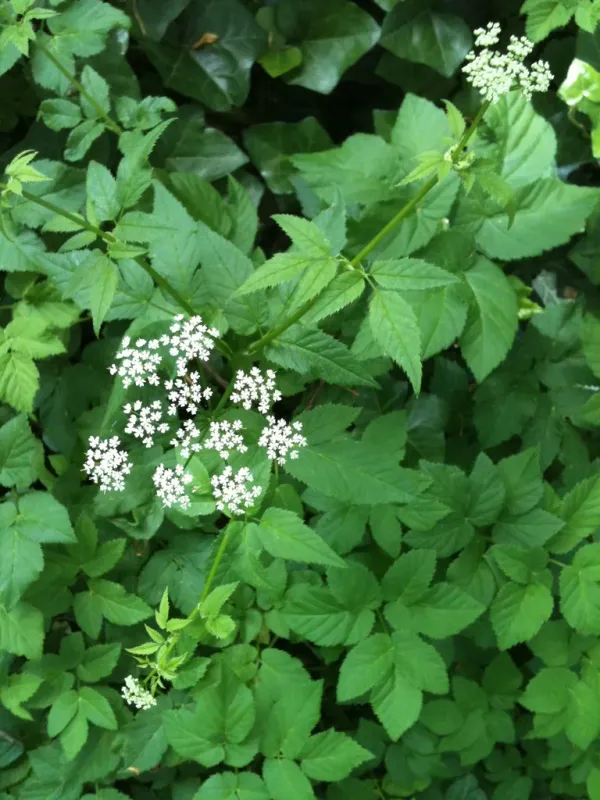
Description
Sowing dates
Ground elder (Aegopodium podagraria) is propagated primarily through rhizome division, which is the most reliable method for establishing a cultivation site. Planting should take place in early spring or autumn when soil moisture is sufficient to support rapid root development.
Propagation from seed is less common as the seeds require a period of stratification to break dormancy. Sowing in the ground during late autumn allows seeds to undergo the natural cooling process necessary for successful germination in the following spring.
The plant is known for its invasive nature, spreading rapidly through an extensive network of horizontal rhizomes. Growers must incorporate root barriers or allocate dedicated containment areas to prevent the plant from encroaching on unwanted sections of the garden.
For optimal growth, plants should be spaced approximately 30–40 centimeters apart. This density encourages the formation of a dense carpet of foliage that effectively suppresses weed growth in the surrounding area.
Rhizomes should be planted at a shallow depth, usually around 5-8 centimeters. This allows the plant to benefit from nutrients in the upper soil layers and facilitates quick shoot emergence after winter dormancy.
Growing requirements
Ground elder, a member of the Apiaceae family, thrives in partially shaded or shaded environments with high soil moisture. It is best suited for woodland margins or areas under the canopy of trees where it remains protected from intense, direct sunlight.
The plant prefers fertile, loamy soils with a neutral to slightly acidic pH. While it is highly adaptable, growth rates are significantly lower in poor, sandy, or heavily compacted soils where organic matter is lacking.
Moisture availability is the most critical requirement for ground elder. It does not tolerate prolonged drought, so irrigation is essential in cultivated areas to ensure consistent growth and the production of succulent, high-quality leaves.
The species is exceptionally winter-hardy and requires no protection against cold weather in temperate climates. It is one of the first plants to emerge in early spring, showing strong resistance to late frosts.
Agronomic management involves controlling its spread. When grown as a crop, it is recommended to use sunken metal or plastic barriers at a depth of 20–30 centimeters to contain the rhizomatous root system effectively.
Yield
Ground elder offers high productivity of green biomass, which can be harvested multiple times throughout the growing season. By the second year of cultivation, the plant typically forms a thick sward that provides a consistent yield.
In optimal conditions with sufficient moisture and fertile soil, the yield of fresh leaves can reach substantial levels. Regular harvesting stimulates the plant to produce new, tender shoots, thereby maximizing the total seasonal output.
The leaves are rich in vitamins, minerals, and proteins, making them a valuable culinary and fodder crop. Harvesting is best conducted before the flowering stage when the foliage is at its peak in terms of texture and nutritional profile.
For agricultural use, the biomass can be harvested using mechanical mowers set to a height of 5–7 centimeters. This ensures the rhizomes are left intact, allowing for rapid recovery and subsequent cuttings.
The harvested product must be processed or cooled immediately to prevent wilting. Whether used for fresh consumption, dried for tea, or ensiled for animal feed, the quality of ground elder depends largely on rapid post-harvest management.
Main diseases and pests
Ground elder is remarkably resilient to many common plant diseases, largely due to the presence of secondary metabolites and essential oils in its tissues. However, in poorly ventilated, overcrowded conditions, powdery mildew can occasionally occur.
Pests are generally not a significant problem for this crop. Aphids may occasionally infest young, tender leaves during the spring, but they rarely cause economic damage requiring chemical intervention.
Slugs and snails can be a nuisance for young foliage in damp spring weather. Implementing physical barriers, such as wood ash or crushed gravel around the base of the plants, effectively discourages these mollusks from causing damage.
Viral infections, such as mosaic viruses, are rare but can lead to leaf distortion and discoloration. If symptoms appear, the affected plants must be rogue out and destroyed immediately to prevent the spread of the virus through the rhizome network.
The primary "threat" associated with ground elder is its aggressive competitive nature. Proper management is required to ensure that this crop does not invade neighboring agricultural plots, which is a major concern for neighboring crops.
Harvesting
The harvest season begins in early spring as soon as the first leaves unfold. These young leaves are highly prized for their mild, pleasant flavor and are considered a nutritious delicacy after the long winter months.
Hand-harvesting is performed by clipping the young rosettes with a sharp knife, taking care to keep the soil surface clean and the root system undisturbed. This careful approach promotes long-term site productivity.
Large-scale mechanical harvesting is possible using standard forage equipment. To maintain the quality of the harvested biomass, it is imperative to operate in dry weather to avoid contamination with mud and moisture-related spoilage.
Because the leaves are delicate, they lose freshness quickly at ambient temperatures. Post-harvest, the product should be moved to a shaded, cool environment or processed immediately to maintain its vitamin content.
Freezing is the preferred method for long-term preservation. When blanched and frozen, ground elder retains its color and a significant portion of its nutrients, allowing for its use in soups and sauces throughout the entire year.