
Tordyliopsis brunonis
Tordyliopsis brunonis
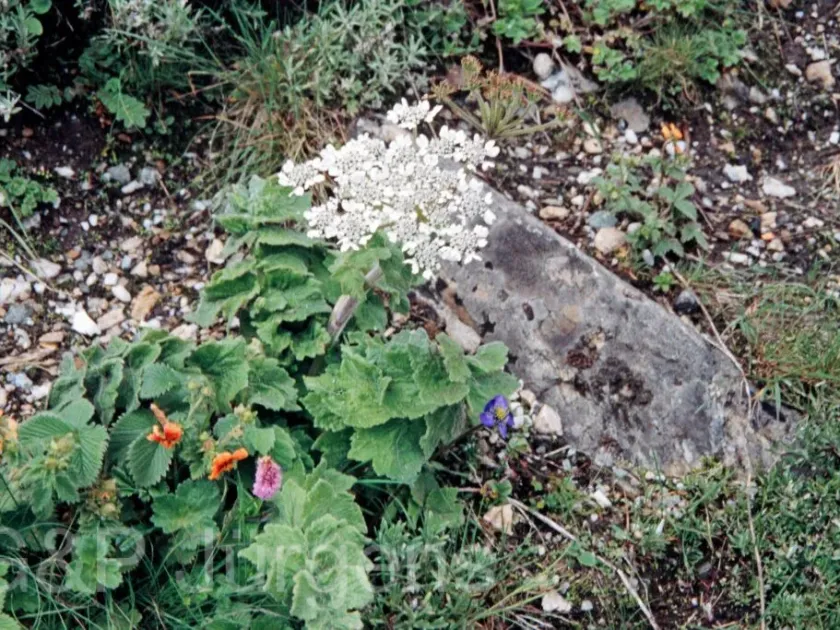
Description
Growing requirements
Tordyliopsis brunonis is a herbaceous plant belonging to the Apiaceae family. It is recognized for its distinct botanical structure, characterized by intricate umbelliferous inflorescences that are typical of this family, making it an interesting subject for specialized botanical studies.
The plant thrives in well-drained, fertile soils with a preference for sandy loam compositions. Adequate aeration of the soil profile is critical to ensure proper root development and to prevent hypoxia, which the species is sensitive to during its early growth stages.
Climatic requirements involve moderate temperatures, ideally between 18°C and 24°C, with a consistent water supply. While it displays some drought tolerance once established, maintaining soil moisture levels during the peak growing season significantly enhances overall plant vigor.
Agricultural practices for Tordyliopsis brunonis emphasize the importance of site selection with high exposure to sunlight. Proper spacing during sowing is essential to allow for adequate air circulation, which helps reduce the risk of humidity-related foliage issues.
Cultivation success relies on balanced fertilization, particularly with potassium and phosphorus, which support the plant's metabolic processes and reproductive development. Regular weeding is mandatory to eliminate competition for resources in the initial phase of crop growth.
Main diseases and pests
The primary diseases affecting this crop include powdery mildew, which can significantly impair photosynthesis if left untreated. Implementing preventative measures, such as proper spacing and fungicide application, is key to protecting the harvest.
Pests such as aphids and umbellifer-specific moths present a constant threat to the plant's structural integrity. Monitoring programs should be established to identify early infestations and prevent population explosions that could damage floral development.
Root rot, often caused by poor drainage or over-irrigation, remains a significant threat in wetter climates or heavy soil conditions. Managing water levels through proper drainage systems is the most effective form of long-term prevention.
Integrated pest management (IPM) strategies, including the use of biological control agents, are highly recommended for maintaining plant health. This approach minimizes the need for chemical intervention while ensuring the safety of the surrounding environment.
Regular sanitation of the field, specifically the removal of crop residues after the season, prevents the overwintering of pathogens and pests. This practice is essential for breaking the infection cycle and ensuring the success of subsequent planting seasons.