
Silphiodaucus hispidus
Silphiodaucus hispidus
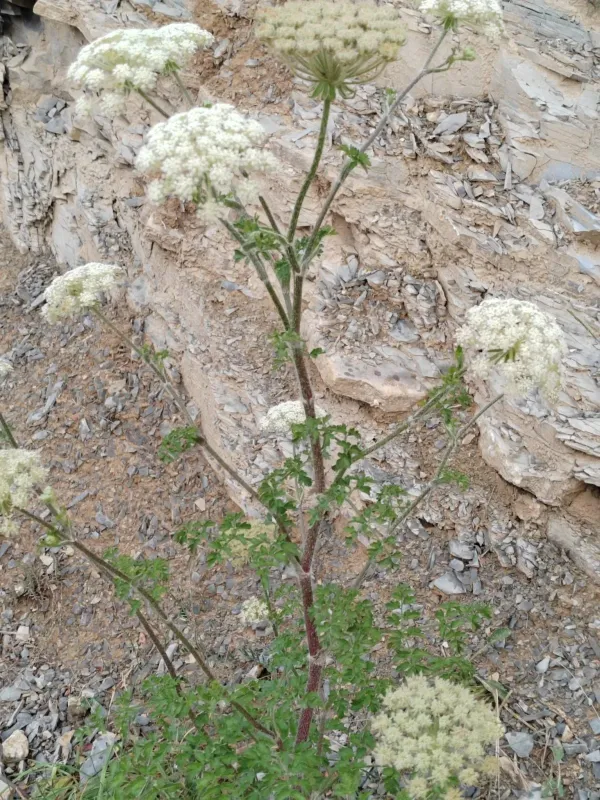
Description
Sowing dates
Silphiodaucus hispidus is a perennial herb belonging to the Apiaceae family, characterized by its robust growth habits and adaptability to various environmental conditions.
Sowing should be performed in autumn to satisfy the cold stratification requirement, which significantly enhances germination uniformity during the following spring season.
The optimal sowing depth is relatively shallow, typically ranging between 1 and 2 centimeters, ensuring the seeds are covered but not overly compacted in the soil.
Due to the slow initial growth rate of the seedlings, effective weed control is essential during the establishment phase to ensure the plants gain sufficient strength.
Spacing the rows at 45 to 60 centimeters allows for optimal light penetration and facilitates mechanical weeding operations during the first year of the crop cycle.
Growing requirements
The plant thrives best in well-drained loam or sandy-loam soils, though it demonstrates significant tolerance to diverse soil structures provided drainage is adequate.
It is noted for its high cold tolerance, making it a reliable perennial species in temperate climates that experience harsh winter temperatures and frost.
In terms of light exposure, the species is quite versatile, showing satisfactory growth in full sun as well as in areas with partial shading or light canopy cover.
Water requirements are moderate, with the plant displaying reasonable drought resilience once established, although consistent moisture is beneficial during the active growing phase.
Soil pH levels should be maintained in the near-neutral range, which optimizes nutrient availability and promotes overall plant vigor and long-term productivity.
Yield
The primary agricultural application for Silphiodaucus hispidus lies in its use as a high-quality forage crop, providing nutritious green mass for livestock nutrition.
Yield potentials range from 15 to 25 tonnes per hectare depending on site fertility, irrigation management, and the overall age and density of the perennial stand.
Harvesting for hay production is most effective during the early flowering stages, which balances the biomass volume with the nutritional value of the vegetative matter.
Seed harvesting should be timed carefully as the fruits reach full maturity, with moisture levels closely monitored to prevent post-harvest spoilage of the seeds.
Beyond forage, the plant is being researched for its biochemical profile, potentially offering value in pharmaceutical or industrial applications due to specific secondary metabolites.
Main diseases and pests
Common pests associated with Apiaceae crops, including aphids and various root-boring larvae, represent the primary threats to crop health and overall biomass yield.
Fungal pathogens such as powdery mildew may appear in environments characterized by high humidity and poor air circulation within the plant canopy.
Integrated pest management strategies should focus on crop rotation and maintaining adequate field hygiene to minimize the risk of recurring infestations.
Preventative measures against root rot are critical, particularly in heavier soils where water accumulation might occur during the wetter seasons of the year.
- Regular scouting for pest activity throughout the growing season.
- Maintaining optimal plant density to ensure sufficient airflow.
- Strategic nutrient management to bolster plant resistance against infections.