
Prussian carrot
Silphiodaucus prutenicus
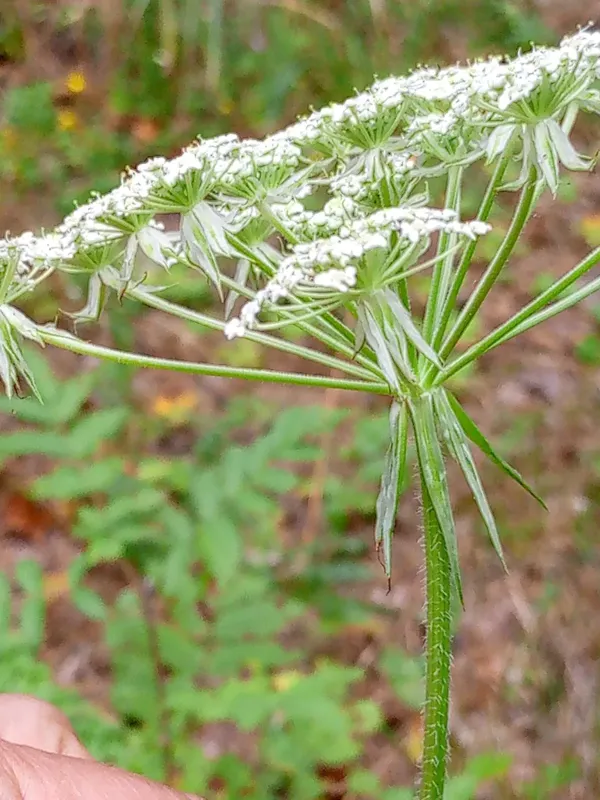
Description
Sowing dates
Prussian carrot is a perennial herb that relies on seed propagation, requiring a period of cold stratification to break seed dormancy and ensure successful germination.
The optimal sowing time is late autumn, allowing the seeds to undergo natural winter chilling cycles, which is critical for strong seedling establishment in the following spring.
Seeds should be sown at a shallow depth of approximately 1-2 cm, as deep burial significantly hinders the emergence of young sprouts due to their limited energy reserves.
Field preparation must prioritize the elimination of perennial weeds, as the slow initial growth of the plant makes it highly susceptible to competition during the first year.
Under controlled conditions, supplemental watering should be maintained until the plants have developed their first true leaves to prevent drying out during the critical germination phase.
Growing requirements
Belonging to the Apiaceae family, this species is well-adapted to diverse habitats, including forest edges and meadows, showing a preference for loamy and organic-rich soils.
The plant demonstrates significant environmental flexibility, being capable of growing in partial shade, which distinguishes it from many light-demanding field crops.
Soil pH levels should ideally remain neutral, ranging from 6.0 to 7.5; the plant thrives in well-drained conditions but is sensitive to prolonged waterlogging.
Its deep taproot system allows it to reach moisture deep within the soil profile, providing excellent drought tolerance once the plant is well-established.
Climatically, it is highly suited for temperate regions, displaying robust winter hardiness and the ability to survive freezing temperatures without specialized protection.
Main diseases and pests
Powdery mildew and various leaf spot fungi represent the primary pathological risks, especially when plants are grown in overcrowded or poorly ventilated areas.
Aphid infestations during the flowering stage can severely damage reproductive tissues, necessitating regular field monitoring during the peak of the growing season.
Soil-dwelling insects, such as wireworms, may pose a threat to the root system, potentially causing stunted growth and reducing overall biomass yield.
Good agricultural practices, including the removal of dead plant residues, are essential for minimizing the carry-over of pathogens from one season to the next.
Effective management includes integrated pest control strategies to protect the plant from specialized pests that target the reproductive structures of the Apiaceae family.