
Selinum capitellatum
Selinum capitellatum
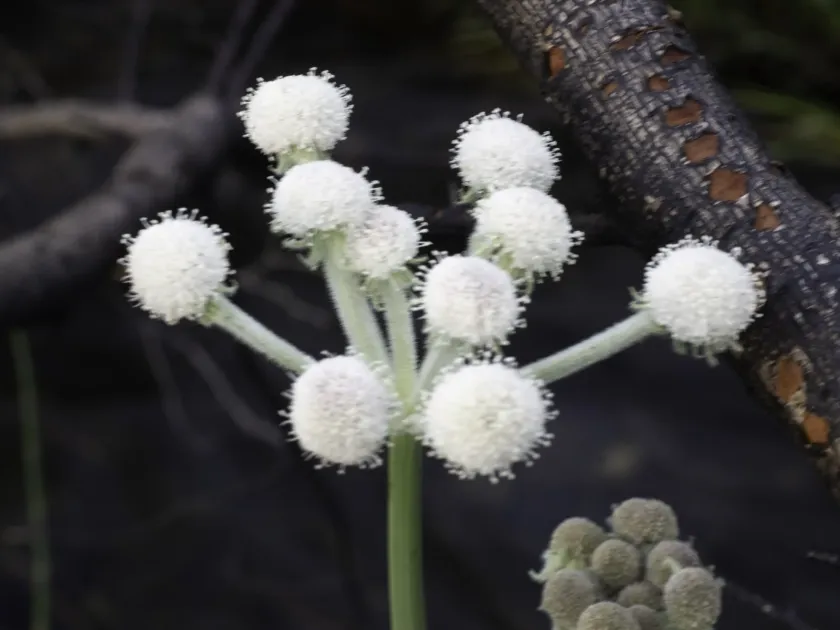
Description
Growing requirements
Selinum capitellatum is a distinct perennial herb belonging to the Apiaceae (parsley) family. It is native to high-altitude regions of North America, where it thrives in cool, moist habitats such as alpine meadows and riparian corridors.
The plant is characterized by a strong root system and an upright stem structure that supports clusters of small, white-to-cream flowers arranged in compound umbels. The foliage is finely divided, contributing to its ornamental and natural aesthetic in a garden setting.
In terms of climate, Selinum capitellatum requires cool temperatures and high atmospheric humidity to mirror its natural mountain environment. Growers should avoid planting in areas with intense heat or prolonged drought, as these conditions are detrimental to the plant's health.
Soil quality is paramount for this species; it requires well-draining, humus-rich soil that mimics the texture of forest floor debris. While it needs consistent moisture, adequate drainage must be provided to prevent root rot, which is the most common cause of failure in cultivation.
From a utilitarian perspective, the plant is primarily appreciated in botanical gardens and specialized perennial nurseries. Its secondary metabolites are of interest for pharmacological studies, focusing on the potential medicinal properties of its aromatic oils.
Main diseases and pests
Selinum capitellatum is susceptible to various fungal diseases, including powdery mildew and root rot, particularly in stagnant or poorly ventilated environments. Proper air circulation and selective thinning of overcrowded patches are essential preventive measures.
Pest management should focus on monitoring for common Apiaceae pests such as aphids and leaf miners. Integrating organic insecticidal soaps and maintaining a healthy plant environment often suffice to keep populations below economic damage thresholds.