
Selinum pyrenaeum
Selinum pyrenaeum
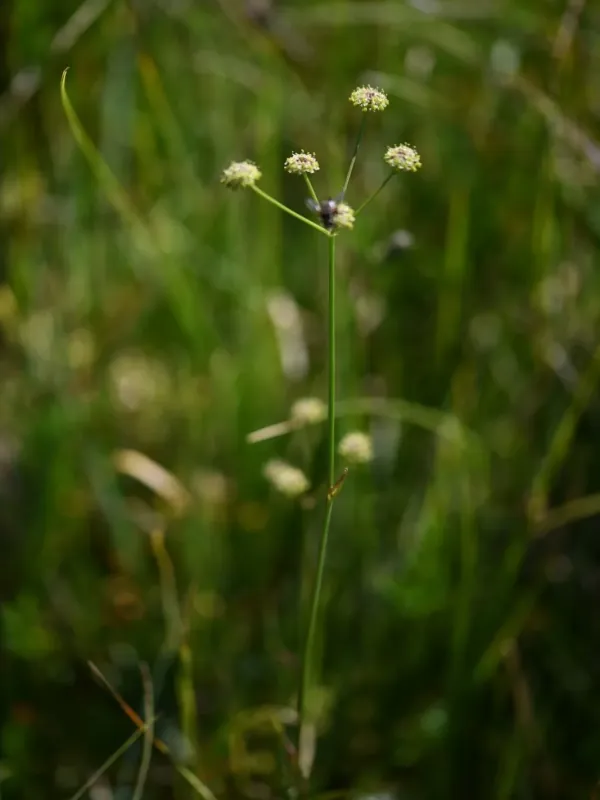
Description
Sowing dates
Sowing Selinum pyrenaeum is typically conducted in early spring, once the soil has warmed up sufficiently to trigger consistent germination.
Seeds often require cold stratification to break dormancy, reflecting their natural adaptation to the alpine environments where they originate.
The seeds should be sown at a shallow depth of approximately 1 to 2 centimeters to ensure they receive enough light while maintaining adequate moisture.
Indoor sowing in nursery trays is recommended for better control over early development, followed by transplanting once the seedlings are robust enough.
Spacing between plants should be carefully managed to allow for proper air circulation, which is vital for the long-term health of the mature plants.
Growing requirements
As a member of the Apiaceae family, this species thrives in well-drained, loamy soils that are rich in organic matter and retain moderate moisture.
The plant performs best in locations with full sun exposure, although it can tolerate light shade during the hottest parts of the growing season.
Maintaining soil pH between 6.0 and 7.0 is ideal for nutrient uptake, and lime amendments may be necessary if the local soil is excessively acidic.
Consistent watering is required during the establishment phase, though the crop is relatively hardy once the deep taproot system becomes fully developed.
Good soil drainage is non-negotiable, as stagnant water around the roots can lead to fungal infections and rapid decline of the plant population.
Yield
Yield performance is highly dependent on weed suppression, as this plant competes poorly with aggressive field weeds during its initial growth stages.
Multi-year cultivation is possible, with the highest biomass yields typically occurring in the second and third years of the plant's life cycle.
Applying balanced organic fertilizers can significantly boost leaf production and improve the overall quality of the harvested aerial parts.
Proper thinning of dense patches ensures that individual plants reach their full potential, maximizing the total yield per square meter of land.
Monitoring the plant's vigor throughout the season allows for strategic nutrient application, helping to maintain high productivity over multiple years.
Main diseases and pests
Powdery mildew is a common threat in humid or poorly ventilated conditions, necessitating prompt action to prevent spread across the field.
Aphid infestations can occur on young flower stalks, sucking sap and weakening the plant, which often requires the use of biological control agents.
Root rot pathogens represent a significant risk if the field has poor drainage, especially during the wetter months of the late autumn and spring.
Preventative cultural practices, such as wide spacing and removing crop debris, are essential in minimizing the incidence of most common pests.
Integrated pest management strategies should be employed to protect the crop while maintaining the chemical-free integrity of the plant material.
Harvesting
Harvesting foliage for medicinal or culinary use is best done before the plant initiates its flowering phase to concentrate the aromatic compounds.
Seed harvesting should be timed carefully when the seed heads turn from green to brown, ensuring they are cut before natural dispersal begins.
After harvesting, the material must be dried in a cool, shaded, and well-ventilated area to prevent degradation of essential oils and pigments.
Storage of the finished product must be done in airtight containers to protect it from moisture, light, and contaminants that could affect quality.
Continuous monitoring of the harvest moisture levels is critical for long-term storage success, preventing mold development in the final product.