
Caraway-leaved selinum
Selinum carvifolia
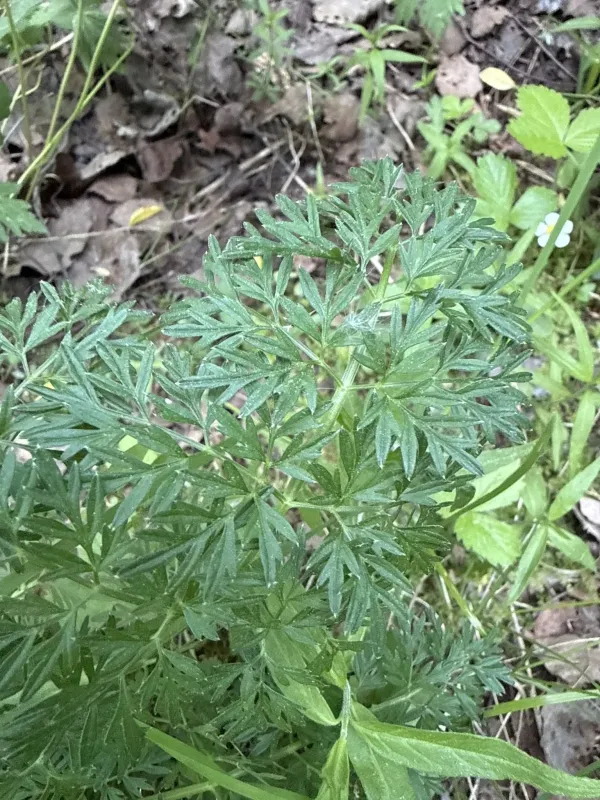
Description
Sowing dates
Sowing of Selinum carvifolia seeds should be performed in late autumn or early spring once the soil reaches 5-8 degrees Celsius. The seeds require a cold stratification period to improve germination rates, as they possess a tough seed coat.
For spring planting, the soil must be thoroughly cultivated and kept sufficiently moist to prevent the top layer from drying out. A planting depth of 1-2 centimeters is optimal for achieving uniform emergence of the seedlings.
Spacing between rows should be maintained between 30 and 45 centimeters to allow for mechanical inter-row cultivation. The plants develop slowly in their first year, so consistent weed control is essential for successful establishment.
Seeding density varies depending on the intended use: lower density for seed production and higher density for green mass production. Using high-quality seed material ensures the development of a healthy and productive stand.
After sowing, light soil compaction is recommended to ensure good seed-to-soil contact. This practice promotes efficient moisture uptake, which is crucial for quick and consistent seedling development across the field.
Growing requirements
Selinum carvifolia belongs to the Apiaceae family and is a resilient perennial plant that thrives in moist meadows and woodland edges. It is well-adapted to the temperate climates found throughout Europe and Western Asia.
The plant has moderate soil requirements, performing best in fertile loamy soils with a neutral pH level. Despite its preference for moisture, it is important to avoid areas that suffer from prolonged waterlogging.
This species is light-loving but can tolerate partial shade during early growth stages. Optimal temperatures for vegetative development range from 18 to 22 degrees Celsius, and the plant is known for its high frost hardiness.
Agricultural management requires the incorporation of organic fertilizers before plowing, as the plant is highly responsive to high humus levels. During active growth, maintaining a stable water regime is vital for biomass production.
In its natural habitat, the plant is often found in river floodplains, which confirms its adaptation to moisture-retentive soils. Irrigation systems should be considered if the culture is grown in arid or drought-prone regions.
Yield
The yield of green mass for this culture depends on the intensity of care and the specific agrometeorological conditions of the region. On average, a significant volume of raw material can be harvested per cut.
When used as an essential oil crop, the output is somewhat limited as the concentration of active components in the aerial parts is lower compared to specialized medicinal cultivars.
Seed productivity is heavily influenced by pollination quality, which relies on active insect populations. In favorable years, farmers can expect yields of 300 to 500 kilograms of seeds per hectare under good management.
Peak biomass yield is typically achieved during the second and third year of growth once the root system has fully matured. Following this period, productivity may gradually decline, necessitating field renewal.
Regular fertilization with nitrogen and phosphorus supports stable biomass yields over several growing seasons. Monitoring soil nutrient levels helps prevent crop degradation and ensures consistent growth across the stand.
Main diseases and pests
Selinum carvifolia, like many Apiaceae family members, is susceptible to powdery mildew when humidity levels remain excessively high. Prevention includes maintaining optimal plant spacing to ensure adequate airflow.
Among pests, various species of aphids pose a significant threat to young leaves and inflorescences. Biological control methods or approved insecticides should be employed if infestation levels exceed economic thresholds.
Rust diseases may occur, manifested by the appearance of reddish spots on the leaf blades. To mitigate this risk, it is important to remove infected plants promptly and practice sound crop rotation.
Larvae of certain umbellifer moths can feed on stems and developing seeds, negatively impacting both quantity and quality. Systematic field monitoring allows for the early detection of infestation sites.
To prevent disease spread, it is crucial to avoid replanting the culture in the same area for at least 3-4 years. Rational agricultural practices significantly reduce the need for intensive chemical intervention.
Harvesting
Green mass harvesting is ideally conducted during the mass flowering phase, when the concentration of biologically active substances reaches its peak. At this stage, the stems remain succulent and high in quality.
Seed harvesting should be performed as the umbels mature to prevent shedding, as the seeds are prone to dropping easily. The work is best conducted during the early morning or evening hours.
Collected biomass should be dried in well-ventilated sheds, away from direct sunlight, to preserve the color and aromatic properties. Post-drying, the material should be sorted to remove any extraneous debris.
After harvesting, seeds require final cleaning and drying to a standard moisture content of 10-12%. Storage should be in dry, cool facilities with good ventilation to maintain seed viability.
Mechanized harvesting is feasible using combine harvesters adjusted to minimize losses of small seeds. Timely harvesting is the key factor in ensuring high commercial quality for the final product.