
Drusa glandulosa
Drusa glandulosa
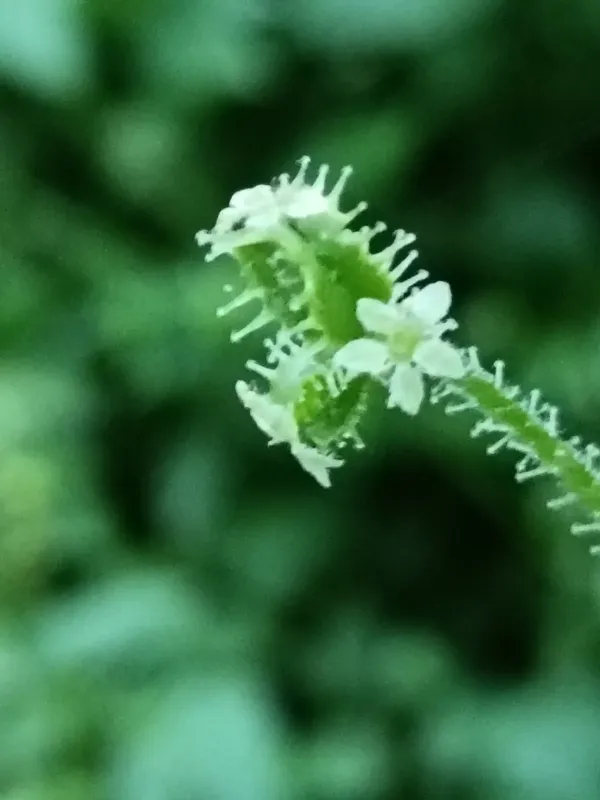
Description
Sowing dates
Sowing Drusa glandulosa requires careful planning, with the ideal period occurring during the late autumn months to ensure proper seed establishment.
As a member of the Apiaceae family, the seeds possess specific germination requirements that benefit from the natural cooling period provided by winter temperatures.
Field preparation must involve fine tillage to create a uniform seedbed, which is crucial for maximizing the percentage of successful sprout emergence.
Row spacing should typically range between 30 and 45 centimeters to allow for adequate ventilation and room for subsequent weeding and field maintenance.
Seed depth is generally kept shallow, at approximately one centimeter, to prevent the embryo from exhausting its nutrient reserves before reaching the surface.
Growing requirements
This crop thrives in well-drained, sandy loam soils that possess a high level of biological activity and sufficient nutrient availability for early development.
Climatic conditions for optimal growth are Mediterranean-like, characterized by mild temperatures and a clear distinction between the vegetative and maturity stages.
Water management is essential, particularly during the active growth phase, though the crop remains sensitive to waterlogging which can trigger root decline.
Soil pH levels should ideally be maintained near neutral to ensure that macro- and micronutrients remain bioavailable for consistent plant nutrient uptake.
Implementing a proper fertilization schedule involving balanced nitrogen-phosphorus-potassium ratios helps in supporting the structural integrity of the plant.
Main diseases and pests
Common phytopathological risks include fungal infections such as powdery mildew, which often manifest during periods of high humidity and poor air circulation.
Root rot represents a significant threat to young stands, usually resulting from over-irrigation or suboptimal soil drainage conditions within the field plot.
Insect pests, including aphids and leaf-miners, frequently damage the plant tissue, leading to stunted growth and potential transmission of viral diseases.
Integrated pest management strategies focusing on early detection and biological control methods are highly recommended for sustainable cultivation practices.
Weed control remains a critical aspect of plant protection, as competitive pressures from invasive weeds can drastically reduce the overall final harvest yield.