
Athamanta cretensis
Athamanta cretensis
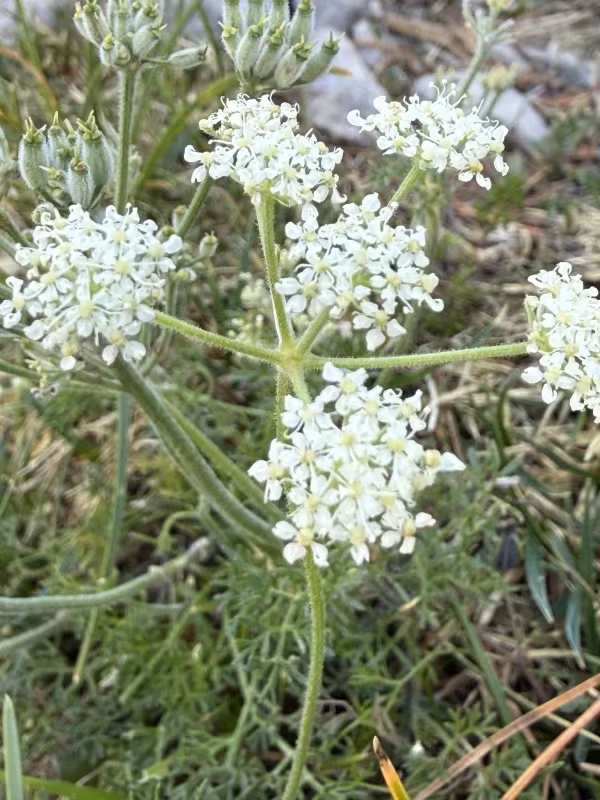
Description
Sowing dates
Athamanta cretensis is typically propagated by seed, which should be sown in autumn to allow for natural stratification, or in early spring if the seeds have been cold-treated. The seeds are small and require a light, well-draining seedbed.
For optimal results, seeds should be sown shallowly, just barely covered with fine soil or sand. Sowing in rows spaced 45 cm apart allows for efficient weeding and air circulation as the plants mature into their characteristic rosettes.
Germination usually occurs within 3–4 weeks under favourable conditions. The soil must remain consistently moist but never waterlogged during the critical early germination phase.
Once established, the seedlings are slow-growing and require minimal competition from weeds. Direct sowing is preferred to transplanting, as the species develops a deep taproot that dislikes disturbance.
Spring sowing is also possible in colder climates, provided the seeds have been stratified in a refrigerator for at least 4–6 weeks before planting to break their natural dormancy.
Growing requirements
This species thrives in rocky, limestone-rich soils with excellent drainage. Its natural mountain habitat dictates a preference for lean, mineral-rich soils rather than overly fertile or nitrogen-heavy environments.
Full sun is essential for the production of aromatic oils, which are the main focus for cultivation. Shady conditions will result in spindly growth and a significant reduction in the quality of the essential oils.
The plant is exceptionally drought-tolerant once established due to its extensive root system. However, for commercial biomass production, maintaining adequate moisture levels during the peak growing season is beneficial.
Neutral to slightly alkaline soil pH is preferred. In acidic garden soils, the addition of crushed limestone or dolomite can help mimic the plant's native habitat and ensure healthy growth.
Winter hardiness is excellent, as the species is adapted to cold alpine winters. It requires good air movement to prevent moisture buildup around the crown during the dormant season.
Main diseases and pests
The most common issues for this plant are root rot and fungal infections, both of which are triggered by waterlogged conditions. Ensuring a fast-draining substrate is the most effective preventative measure.
Pests such as aphids and spider mites can infest the foliage, particularly during hot, dry spells. Regular inspection is recommended to detect early signs of infestation and apply control measures.
Mildew can occasionally develop if the plant is grown in areas with poor ventilation or high humidity. Pruning away damaged or crowded leaves helps maintain healthy airflow through the foliage.
Slugs and snails can cause damage to young, tender seedlings in the early spring. Protective barriers, such as copper tape or organic slug pellets, are often necessary during the initial establishment period.
Maintaining a clean, weed-free environment is critical, as weeds not only compete for nutrients but also create microclimates that promote pest and disease proliferation.