
Arctopus echinatus
Arctopus echinatus
Description
Growing requirements
Arctopus echinatus is a perennial herb belonging to the Apiaceae family. It is native to the fynbos biome of South Africa, where it has evolved to withstand dry, windy conditions and nutrient-poor soils.
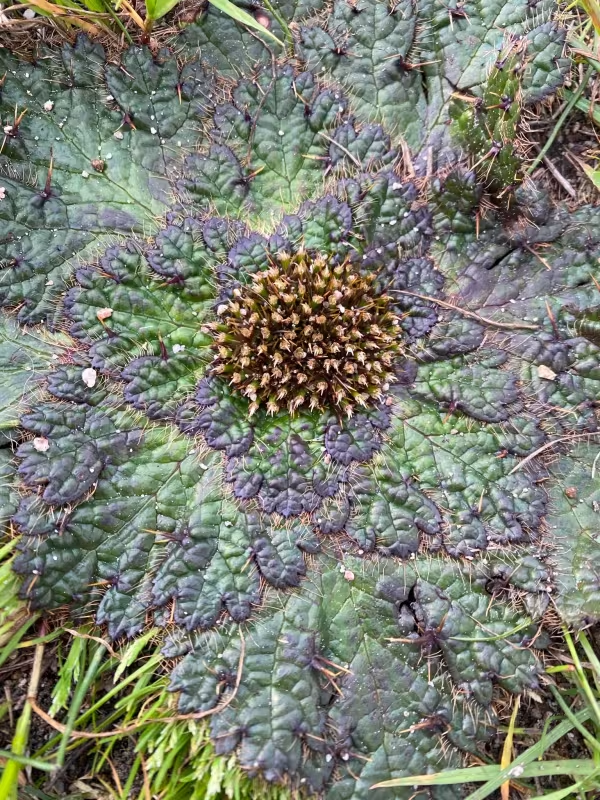
The plant is characterized by a distinctive rosette of prostrate leaves that lie flat against the ground. These leaves are often spiny, serving as a defense mechanism against local herbivores in its native habitat.
Cultivation of this species requires well-draining, sandy, or stony soil environments. It is highly sensitive to root rot, making drainage the most critical factor in successful horticultural management.
Climate-wise, the plant thrives in areas with high light intensity and seasonal rainfall patterns. It remains dormant during hot, dry summer months and initiates growth when moisture levels increase.
The primary economic use for Arctopus echinatus lies in traditional and modern ethnopharmacology. Its thick, fleshy root system is harvested for compounds that have shown significant anti-inflammatory and antimicrobial properties.