
Ammoides pusilla
Ammoides pusilla
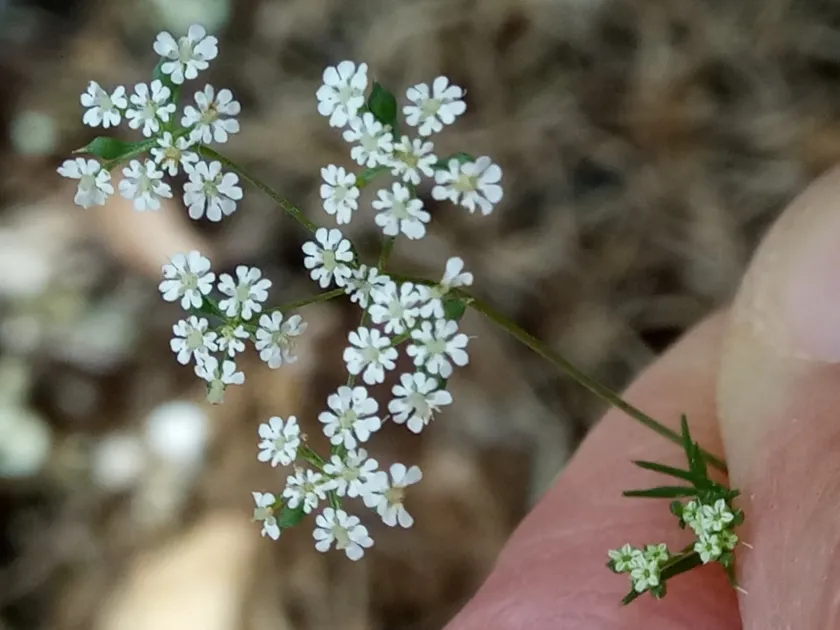
Description
Sowing dates
Sowing of Ammoides pusilla is performed in the spring, once the soil temperature reaches 10-12 degrees Celsius. It is crucial to select sites with excellent sunlight access, as the plant is highly photophilous and tolerates shading poorly during germination.
The seeding depth usually does not exceed 1-2 centimeters due to the small size of the seeds. Surface sowing requires mandatory light compaction to ensure firm contact between the seed and the moist soil substrate.
In industrial settings, row seeding with row spacing up to 30-45 centimeters is practiced, which allows for mechanical weed control later in the season.
Under optimal conditions, uniform emergence occurs 14-20 days after sowing. Delayed emergence is often linked to moisture deficiency in the topsoil layer, making post-sowing irrigation a critical success factor.
Seeding density must be strictly monitored, as excessive overcrowding leads to the development of fungal infections due to poor aeration of the plant root zone.
Growing requirements
Ammoides pusilla, a member of the Apiaceae family, prefers light, well-drained sandy or sandy loam soils. The plant is extremely sensitive to waterlogging, which can quickly lead to the rotting of the root system.
The crop is drought-resistant and adapted to a Mediterranean climate with hot summers and mild winters. The optimal temperature range for vegetation is 20-25 degrees Celsius.
The plant does not have high requirements for soil fertility; however, the application of moderate doses of phosphorus-potassium fertilizers in the early stages promotes better inflorescence development.
The soil pH should be neutral or slightly alkaline. Liming of acidic soils is a mandatory agronomic measure before establishing a plantation.
The plant possesses a specific aroma, caused by the high content of essential oils in its tissues, which makes it attractive to certain types of entomofauna that facilitate pollination.
Yield
The yield of green mass and seeds of Ammoides pusilla heavily depends on light conditions and the frequency of irrigation during the budding phase. With proper agronomic practices, stable harvests of essential oil raw materials can be achieved.
Maximum accumulation of beneficial compounds occurs during full bloom, so harvest timing is determined by visual monitoring of the inflorescence state.
To obtain high-quality essential oil, the mowed mass must be processed immediately or dried properly in the shade under a canopy, avoiding direct sunlight that degrades aromatic components.
The seed productivity of the plant varies depending on the cultivation region, averaging a few centners per hectare under intensive care.
The economic efficiency of the crop is determined by the high quality of the extract, which is in demand in the perfume and food industries as a natural flavoring agent.
Main diseases and pests
The main danger for crops is fungal diseases, such as root rot, arising from water imbalance and waterlogged soil conditions.
Powdery mildew can affect the leaf apparatus in conditions of high air humidity and poor ventilation of crops, reducing the overall photosynthetic productivity.
Among pests, the larvae of various types of Apiaceae-feeding flies cause the most damage, injuring stems and peduncles and preventing normal seed development.
Aphids can infest tender young shoots, sucking sap and facilitating the spread of viral diseases carried by insect vectors.
Weed control in the early stages is vital, as Ammoides pusilla develops slowly during the initial growth phases and loses competition for nutrients.
Harvesting
The harvest of Ammoides pusilla is carried out by mowing the aerial part of the plant during the early fruit-ripening phase, when the concentration of essential oils reaches its peak.
The use of specialized combines with a gentle cutting mode allows for minimizing losses of valuable plant raw materials during the mechanization process.
To ensure quality retention, the harvested mass must be quickly transported to a primary processing facility or spread in a thin layer for post-harvest maturation.
In the case of seed collection, a two-phase harvesting method is applied: first mowing, and after drying, threshing, which allows for the collection of the cleanest material with minimal impurities.
Post-harvest residues are recommended to be removed from the field to prevent the spread of diseases and pests that can overwinter in the remnants of Apiaceae plants.