
Hexalobus crispiflorus
Hexalobus crispiflorus
Description
Growing requirements
Hexalobus crispiflorus is a woody plant native to the tropical forests and savannahs of Africa, belonging to the Annonaceae family. It is recognized for its unique botanical features and potential for agroforestry applications.
The plant thrives in deep, well-drained soils that are rich in organic matter. While it shows some resilience, optimal growth is achieved in environments with consistent rainfall and adequate soil moisture levels throughout the year.
This species prefers tropical temperatures ranging from 22 to 30 degrees Celsius. It is vital to protect young plants from direct, intense sunlight and drying winds, as the saplings require shade for establishment.
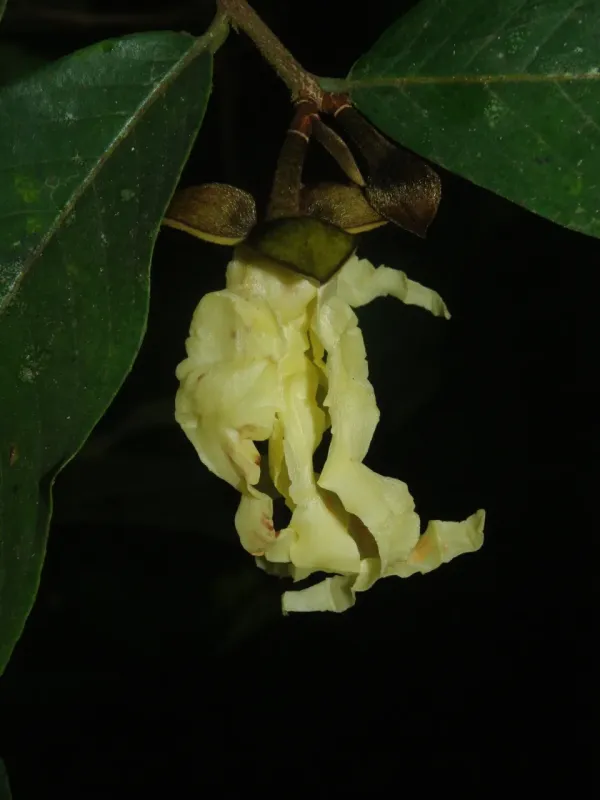
Botanically, the plant is characterized by its distinct curly petals and leathery leaves. These features allow it to adapt to low-light conditions under the forest canopy, making it a sustainable choice for mixed cropping systems.
Its economic value spans from food production to traditional medicinal use. The fruits are commonly consumed in its native range, and the durable wood is valued for various small-scale construction and agricultural purposes.
Main diseases and pests
Significant threats to Hexalobus crispiflorus productivity include various fruit flies that infest the fruits during maturation. These pests can significantly reduce the harvest volume and fruit quality if not managed.
Fungal pathogens causing root rot or leaf spots can emerge when humidity is excessively high or soil drainage is poor. Improving aeration and removing stagnant water are critical management strategies for farmers.
Insect pests like scale insects and leaf-eating beetles may damage young foliage. Regular monitoring and the application of integrated pest management practices are essential to protect the vegetative vigor of the trees.
Nematode infestations in the root zone present a challenge in certain soil types, requiring strict adherence to soil health practices and the inclusion of organic soil amendments to suppress pest populations.
Effective prevention involves site sanitation, pruning of diseased branches, and maintaining healthy tree spacing. These steps reduce the prevalence of pests and ensure a stable long-term yield for the orchard.