
Meiogyne pannosa
Meiogyne pannosa
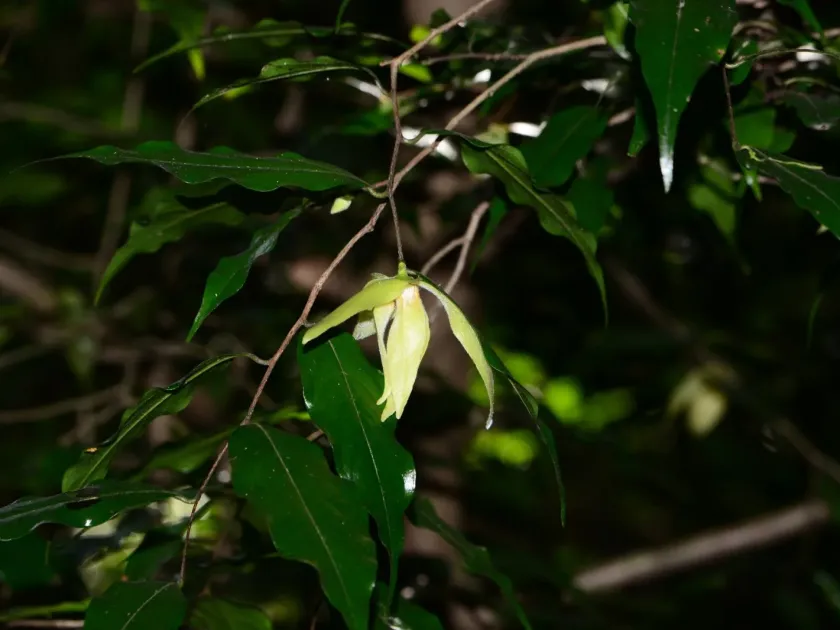
Description
Growing requirements
Meiogyne pannosa is a significant plant species belonging to the Annonaceae family, known for its distinct adaptation to tropical forest environments. As a perennial woody plant, it occupies the understory layer, thriving in specific microclimates.
The plant is native to the tropical regions of Australia and Southeast Asia. Its geographical range is strictly limited to areas where temperatures remain high throughout the year without significant fluctuations.
Soil requirements involve deep, well-draining loamy soils with a high proportion of organic leaf litter. In agricultural practice, it is crucial to avoid waterlogged conditions, which can lead to rapid root decay and plant decline.
Temperature management is critical for the success of Meiogyne pannosa. It performs best at consistent temperatures ranging from 22 to 28 degrees Celsius. Protection from direct, harsh sunlight and cold drafts is necessary during the juvenile growth stages.
Watering frequency should be adjusted based on the substrate moisture content. It prefers high atmospheric humidity, making irrigation systems such as misting or drip irrigation highly effective for commercial plantation setups.
Harvesting
Harvesting Meiogyne pannosa is a labor-intensive process that requires careful handling. Since the fruits are delicate, mechanical harvesters are not used, and all operations are conducted by skilled manual labor.
The harvest timing is determined by the fruit's color transition and the texture of the peel. Regular monitoring of the orchard is required to identify the exact window for optimal harvest, ensuring maximum quality of the raw material.
Post-harvest logistics involve immediate sorting and packaging to minimize the risk of mechanical injury or pathogen spread. The produce should be stored in ventilated containers and kept away from high heat sources.
Seeds are harvested from fully ripened fruit to ensure high germination rates. They must be cleaned of pulp residue immediately to prevent fermentation, which could negatively impact viability and overall yield quality.
Commercial utilization focuses on both the fruit and the extractable phytochemical compounds. Sustainable pruning practices during the harvest period also help in maintaining the tree's architecture for subsequent seasons.