
Cyathocalyx zeylanicus
Cyathocalyx zeylanicus
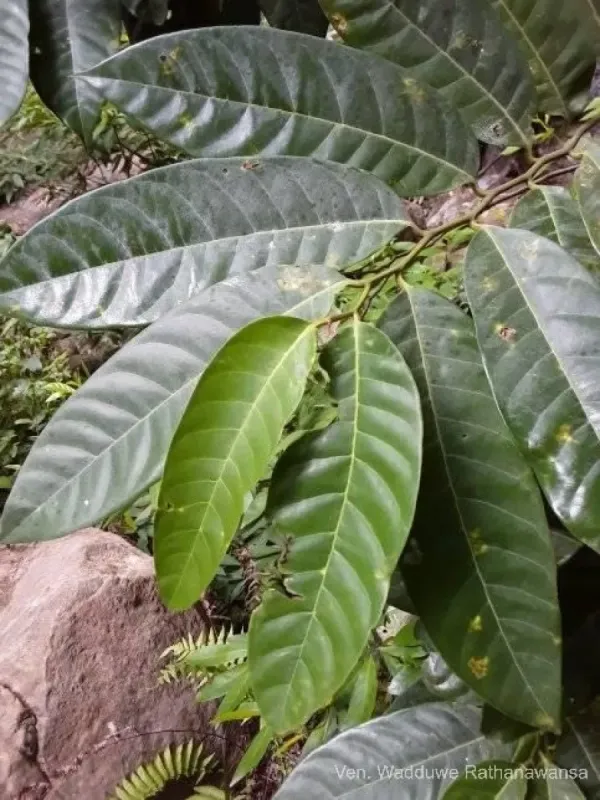
Description
Growing requirements
Cyathocalyx zeylanicus is a tropical evergreen tree belonging to the Annonaceae family. Known for its distinct botanical characteristics, this species is native to the lush, humid tropical forests of Sri Lanka, where it forms an integral part of the local ecosystem's canopy structure.
The cultivation of this species is strictly limited by climate requirements. It thrives in tropical environments with consistent temperatures ranging from 25°C to 30°C. The plant is sensitive to cold stress and requires high humidity levels, typical of an equatorial rainforest climate, to maintain healthy foliage and vigorous growth.
Regarding soil, Cyathocalyx zeylanicus demands deep, fertile, and well-drained soil. In its native habitat, it grows in substrates rich in organic matter. Proper drainage is essential, as waterlogged conditions quickly lead to root rot and the decline of the tree's overall vigor.
Light requirements for this species are specific: it is a shade-tolerant plant, especially during its juvenile phase. As it matures, it can tolerate more sunlight, but protecting the saplings from intense direct sun is crucial for successful establishment in nurseries or experimental plantation settings.
Economically, the tree is recognized for its botanical interest and limited local use of its wood. Like many other members of the Annonaceae family, there is potential for exploring its chemical profile for therapeutic applications, though further research is required to fully understand its secondary metabolites.
Main diseases and pests
The primary threats to Cyathocalyx zeylanicus include fungal pathogens that exploit high-humidity environments. Leaf spot diseases and bark rots can cause significant damage if the trees are not properly spaced or if airflow within the planting area is restricted.
Pests typically associated with this species include scale insects and various leaf-eating beetles common in tropical zones. Integrated pest management (IPM) strategies, favoring biological control agents, are recommended to protect the trees without disrupting the delicate balance of the tropical soil microbiome.
Habitat loss and fragmentation are major external threats to the wild population of this species. Because it is endemic to specific regions of Sri Lanka, any environmental degradation poses a significant risk to the genetic conservation of the tree, necessitating protective measures.
Maintenance programs should include regular inspections of the root zone and canopy to identify early signs of distress. Prompt removal of infected branches and ensuring optimal drainage are the most effective non-chemical methods to keep the trees healthy.
Lack of widespread agricultural data makes the management of Cyathocalyx zeylanicus challenging. Practitioners often rely on traditional forestry knowledge and the behavior of related Annonaceae species to develop effective care routines for this rare and specialized tropical plant.