
Cyathocalyx sumatranus
Cyathocalyx sumatranus
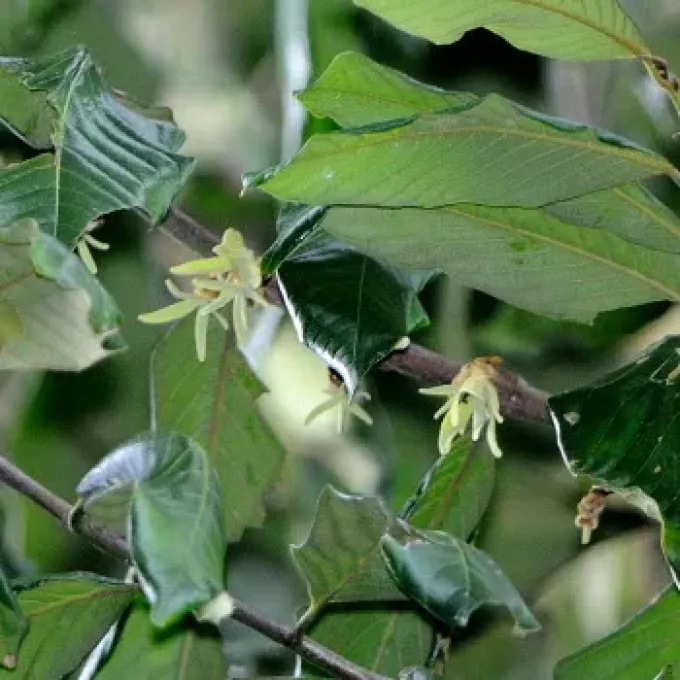
Description
Growing requirements
Cyathocalyx sumatranus is a notable tropical tree species belonging to the Annonaceae family, native to the rainforests of Sumatra and neighboring islands. In its natural habitat, it functions as a canopy tree, often reaching significant heights to secure exposure to sunlight.
The species thrives under strict tropical conditions, requiring high humidity levels and constant temperatures throughout the year. It does not possess mechanisms to survive frost or severe desiccation, making it unsuitable for cultivation outside of strictly equatorial climate zones.
Regarding soil preferences, Cyathocalyx sumatranus performs best in deep, fertile, and well-drained soils. Sites with heavy clay or waterlogged areas should be avoided as they inhibit healthy root development and promote fungal pathogens common in stagnant environments.
Cultural management in forestry settings focuses on initial shading, as young seedlings are prone to sunscald if exposed to direct light too early. Once the tree is established, it demonstrates robust growth and resilience, provided that the soil moisture levels are maintained throughout the developmental stage.
The economic value of this tree is derived primarily from its timber, which is appreciated for its structural integrity in local carpentry and building sectors. Additionally, the species acts as a critical component in forest restoration programs aimed at preserving the native botanical richness of the Indonesian archipelago.