
Cleistochlamys kirkii
Cleistochlamys kirkii
Description
Growing requirements
Cleistochlamys kirkii is a distinct species within the Annonaceae family, native to the tropical landscapes of East and Southern Africa. Typically found as a medium-sized shrub or small tree, it naturally occurs in various habitats, including riverine forests, woodland thickets, and transitional savanna zones where moisture availability remains relatively stable.
The plant thrives in tropical climates characterized by warm temperatures throughout the year. It exhibits a preference for deep, fertile soils that provide excellent drainage, as the roots are sensitive to waterlogging. While it can withstand periods of seasonal drought, its productivity significantly improves with consistent water supply during the flowering and fruit-setting stages.
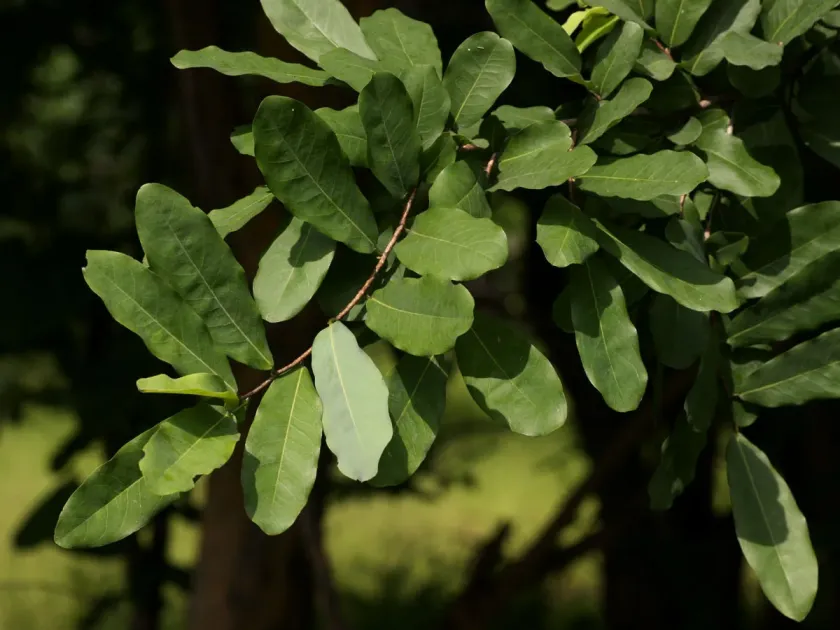
Botanically, the species is identified by its simple alternate leaves and unique, fragrant flowers that attract specific pollinators. The fruits are aggregates of carpels, ripening into small, fleshy, edible structures that serve as a source of nutrition for local wildlife and communities, reflecting the typical traits of many Annonaceae members.
Agricultural practices for this species focus on sustainable harvesting and initial protection from competitive weeds during the early establishment phase. In agroforestry systems, it is often utilized to enrich local crop diversity, as it does not require intensive chemical input and integrates well with other native species under partial canopy cover.
Economic and utility values of Cleistochlamys kirkii include its fruit, which is highly appreciated for local consumption, and its wood, known for a degree of durability suitable for crafting small tools and handles. Furthermore, the tree plays a vital ecological role by stabilizing soils in its native range and providing habitats for diverse fauna.