
Sorindeia madagascariensis
Sorindeia madagascariensis
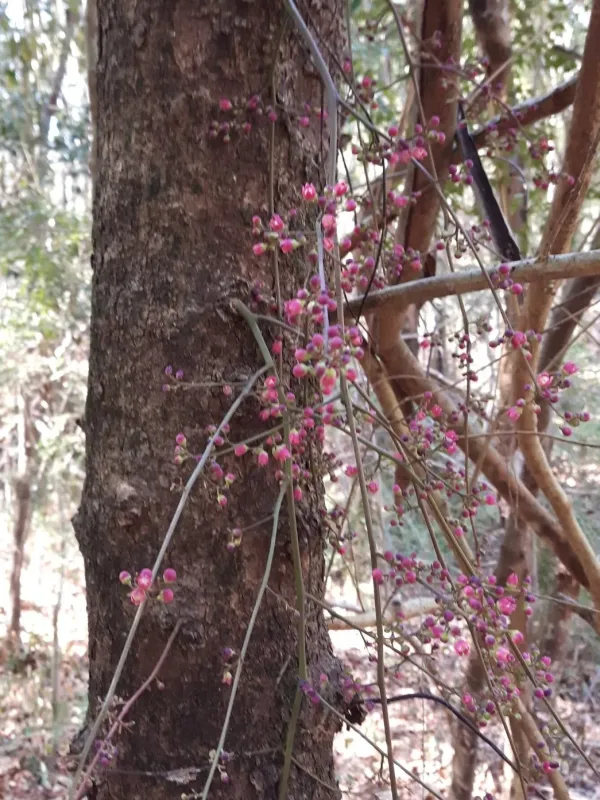
Description
Growing requirements
Sorindeia madagascariensis is a perennial evergreen tree belonging to the Anacardiaceae family, native to East and Southern Africa and the island of Madagascar. It is a well-regarded species in tropical forestry and agroforestry systems.
The tree thrives in humid tropical environments, requiring consistent temperatures between 20°C and 30°C. It is highly sensitive to frost and does not tolerate environments with prolonged cold snaps or extreme drought conditions.
Soil requirements for optimal growth include well-drained, nutrient-rich loamy soils. Waterlogged conditions can lead to root rot; therefore, selecting slightly elevated or well-draining terrain is essential for establishing a healthy orchard.
Botanically, the plant features alternate, compound leaves and produces panicles of flowers. It is adapted to various light conditions but shows the best productivity when grown in full sun, provided there is adequate moisture supply.
The tree is cultivated for both its nutritional and ecological value. The fruits are commonly eaten by local populations, and the species is often integrated into mixed-cropping systems to provide canopy cover and protect soil biodiversity.
Main diseases and pests
Like many species in the Anacardiaceae family, Sorindeia madagascariensis is susceptible to anthracnose. This fungal pathogen manifests as lesions on leaves and fruit, particularly during periods of high humidity and poor air circulation.
Pest pressure from fruit flies and aphids is a common challenge for growers. These pests can significantly reduce yield quality if left unchecked, necessitating the use of integrated pest management (IPM) strategies to maintain crop health.
Proper pruning is vital to mitigate threats. By thinning the canopy, growers improve light penetration and airflow, which significantly reduces the risk of fungal infections and creates an unfavorable environment for many insect pests.
Root zone health is also critical; poor soil aeration can attract soil-borne pathogens. Maintaining a layer of organic mulch helps retain moisture while preventing the soil compaction that often leads to increased disease susceptibility.
Regular surveillance during the growing season allows for early intervention, such as using horticultural oils for aphids or removing infected plant parts to prevent the rapid spread of diseases within the orchard.
Harvesting
The harvest of Sorindeia madagascariensis fruits typically requires a selective approach, as fruits on a single tree do not ripen simultaneously. Workers should monitor the change in fruit skin color to determine the peak maturity.
Manual harvesting is the preferred method to prevent damage to the delicate skin of the fruits. Using sharp shears to clip the fruit stalks ensures that the tree is not injured, which is essential for maintaining tree vigor for future seasons.
Post-harvest handling is crucial due to the fruit's perishable nature. Immediate sorting and cooling are recommended to maintain quality, as high temperatures lead to rapid fermentation and decay of the produce.
The fruits serve various culinary purposes, ranging from direct consumption to being processed into preserves or syrups. Efficient transportation from the field to the point of sale or processing is key to minimizing post-harvest losses.
Standard yield monitoring involves assessing the number of fruiting panicles during the development stage. This data helps producers estimate the harvest volume and organize logistical resources in advance of the busy picking season.