
Red Quebracho
Schinopsis balansae Engl.
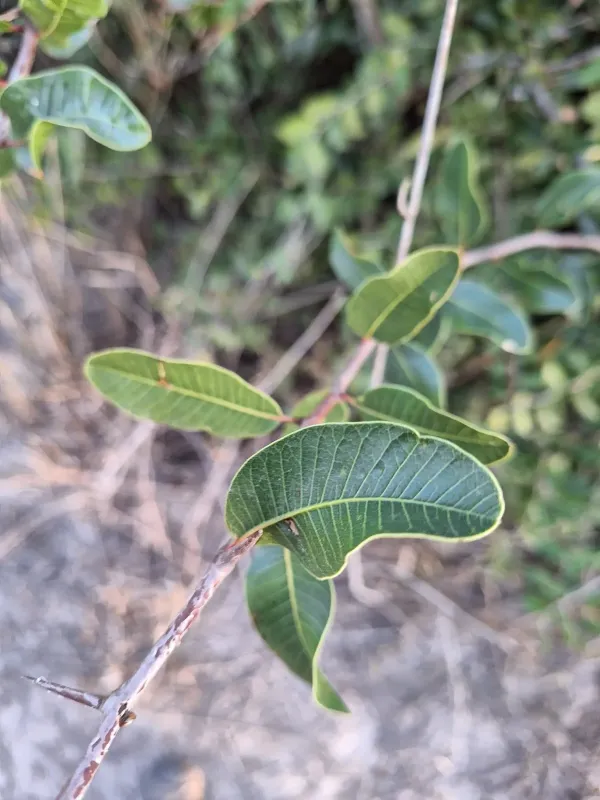
Description
Growing requirements
Red Quebracho (Schinopsis balansae) is a prominent species in the Anacardiaceae family. It is native to the Gran Chaco region in South America, primarily flourishing in Argentina and Paraguay, where it dominates the landscape.
The tree is well-adapted to subtropical climates characterized by distinct wet and dry seasons. It thrives in regions with high solar radiation and is famously drought-resistant, allowing it to survive in areas where other species fail.
In terms of soil, Schinopsis balansae prefers deep, well-drained alluvial or loamy soils. It avoids areas prone to waterlogging, as excessive soil moisture can lead to root degradation and hinder the tree's health.
Agrotechnical management requires ample spacing between trees to ensure full sun exposure. The species is highly intolerant to shade, and overcrowding in plantations can significantly reduce the growth rate of individual trees.
Propagation is typically achieved through seeds in controlled nursery environments. Seedlings require careful attention to moisture levels during their first year, after which they develop a robust root system capable of accessing deep groundwater.
Yield
The primary economic output of Red Quebracho is its exceptionally hard and dense wood. Its high resistance to decay, fungi, and insect attacks has made it a historical standard for railway sleepers, heavy construction, and durable outdoor structures.
The name "Quebracho" is derived from the Spanish phrase meaning "axe-breaker," referring to the extreme hardness of the timber. This property ensures a long lifespan for any structures built from it.
Beyond construction, the bark and heartwood are historically significant for the tannin industry. The high tannin content is extracted for leather tanning, a process that relies on the natural chemical properties of the wood.
The yield of tannins is proportional to the maturity of the wood. Trees are typically harvested at significant ages, though modern sustainable management practices focus on ensuring the long-term viability of the species.
As a timber crop, it is highly valued for high-end furniture, flooring, and specialty turnery. The deep, rich color and texture of the wood continue to make it a premium material in the global market.
Main diseases and pests
A major threat to Red Quebracho populations is the deforestation of the Gran Chaco for agricultural conversion. Habitat loss continues to be the most significant challenge to the species' long-term survival.
Wood-boring insects can cause damage to younger or stressed trees. Effective forest management involves monitoring for signs of infestation and maintaining tree vigor through appropriate density controls.
Root rot, often caused by pathogenic fungi in poorly drained soils, remains a concern in plantation settings. Proper site selection and site preparation are essential to mitigate these biological risks.
Wildfires pose a constant threat to younger plantations. In the arid conditions of its native range, fire can quickly destroy vast areas of saplings that have not yet developed fire-resistant bark characteristics.
Conservation efforts now emphasize the restoration of forest corridors. Integrating biological monitoring with sustainable logging limits helps protect the health and genetic diversity of the remaining Red Quebracho stands.