
Dobinea vulgaris
Dobinea vulgaris
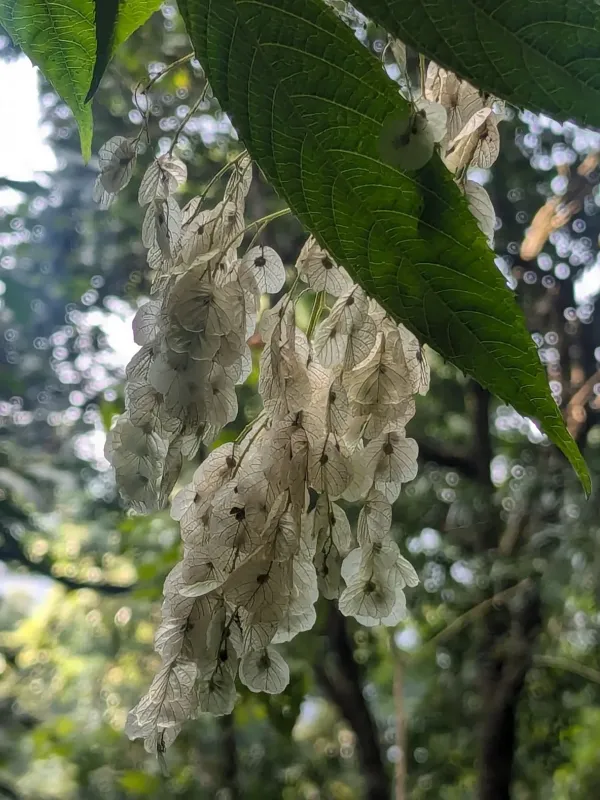
Description
Growing requirements
Dobinea vulgaris is an intriguing perennial plant species belonging to the Anacardiaceae family. Native to the mountainous regions of East Asia, including parts of China and the Himalayas, it thrives in specific ecological niches within temperate and subtropical zones.
The plant is known for its distinct botanical structure and is considered a rare specimen in cultivation. It generally occupies forest edges and areas with consistent moisture, adapting well to filtered light conditions rather than full, intense sun exposure.
For cultivation purposes, a fertile, well-draining soil profile is essential to prevent root zone saturation. The pH levels should be maintained in a neutral to slightly acidic range, mirroring the leaf-litter rich soils of its natural habitat.
Climate requirements involve avoiding extreme heat or long frost periods. High air humidity is beneficial for the vegetative development of Dobinea vulgaris, making it a challenging but rewarding subject for specialized nurseries.
Its хозяйственное использование (хозяйственное использование) remains largely decorative or scientific. Due to its unique characteristics, it is often found in botanical gardens rather than in broad-scale commercial agricultural operations.
Main diseases and pests
The primary threats to Dobinea vulgaris are root-borne fungal diseases, often triggered by waterlogged soil. Proper soil structure and drainage are the most effective preventive measures against these pathogens.
Pest issues include common greenhouse inhabitants such as spider mites and thrips. These can become problematic if the surrounding humidity is not managed correctly or if the plant's health is compromised by stress.
Foliar fungal infections can occur if there is insufficient air circulation around the canopy. Maintaining moderate plant spacing and regular cleaning of dead foliage help mitigate these risks significantly.
Viral infections are rare but should be managed by strict quarantine procedures to ensure the health of the entire collection. If a plant shows signs of mosaic or leaf curling, immediate isolation is recommended.
Preventative care through balanced fertilization and appropriate site selection helps build natural plant resilience. Integrating biological pest control methods can also be an effective strategy in professional plant nursery management.