
Gandaria
Bouea macrophylla Griff.
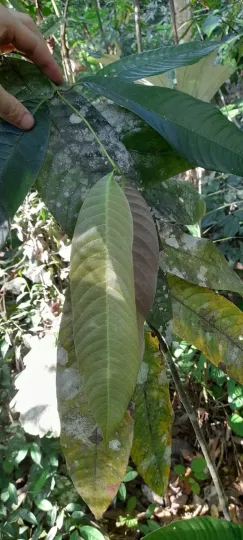
Description
Growing requirements
Gandaria, scientifically known as Bouea macrophylla, is a tropical fruit tree belonging to the Anacardiaceae family. It is a long-lived, evergreen species that features a dense, leafy canopy and is native to the tropical regions of Southeast Asia.
The tree thrives in lowland tropical rainforest climates where high humidity and temperatures remain consistent throughout the year. It performs best in areas receiving abundant rainfall, as it is not adapted to prolonged dry seasons or cold winters.
Optimal growth requires deep, well-drained, fertile soil. While the tree can tolerate various soil types, it is particularly sensitive to waterlogging, which can rapidly lead to root rot and eventual tree decline if drainage is not properly managed.
In terms of climate, Gandaria prefers temperatures between 25°C and 35°C. It is strictly a tropical plant and cannot survive frost, nor does it perform well in regions with strong, cold winds that can damage the delicate, glossy evergreen foliage.
Good agricultural practice for this crop includes providing sufficient space for the tree to expand, as it can reach significant heights. Young trees require protection from intense direct sunlight until they are well-established in the field.
Yield
The fruit of the Gandaria tree is a small, drupe-like berry that turns bright yellow or orange when fully ripe. The pulp has a pleasant sweet-sour taste, often compared to a blend of mango and plum, making it highly appreciated in local culinary traditions.
Seed-grown trees typically start bearing fruit after 6 to 8 years, whereas trees propagated via grafting or budding can produce their first harvest within 3 to 4 years. This makes grafted plants preferable for commercial orchards.
Yields increase significantly as the tree matures, with a single healthy, productive tree capable of bearing hundreds of fruits in a single season. The harvest period usually extends over several weeks, requiring manual collection.
Due to the perishable nature of the fruit, market distribution is generally localized. The fruits are commonly consumed fresh or used in the preparation of traditional condiments, jams, and refreshing beverages, which are popular in the plant's native range.
Proper canopy management and thinning of fruits can lead to improved size and quality of the berries. Regular nutritional support, particularly during the flowering and fruit-setting stages, is essential to sustain high annual production levels.
Main diseases and pests
The most significant pests affecting Gandaria production are fruit flies. These insects pierce the skin of the ripening fruit to lay eggs, causing the fruit to rot prematurely and making it unsuitable for fresh market sale.
Fungal diseases, including anthracnose, can affect the leaves and fruit, especially during periods of excessive rainfall or poor air circulation within the canopy. Pruning to maintain an open structure is a vital cultural control method.
Root system health is paramount, as the tree is susceptible to soil-borne pathogens if the environment becomes anaerobic due to overwatering. Proper irrigation scheduling is the primary defense against these invisible but lethal threats.
Sap-sucking insects like aphids and scale insects may occasionally infest younger trees, leading to stunted growth and reduced vigor. Integrated pest management, focusing on biological controls, is often sufficient for minor infestations.
Maintaining a healthy, stress-free tree through balanced fertilization and correct water management remains the best defense against most diseases. Regular monitoring of the orchard allows for early detection and intervention before major damage occurs.