
Tecticornia indica
Tecticornia indica
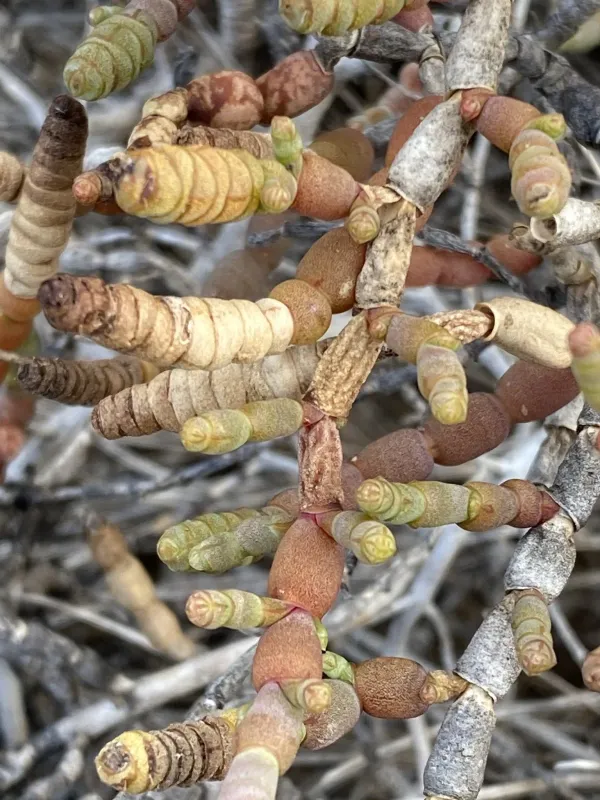
Description
Sowing dates
Tecticornia indica is a succulent halophyte belonging to the Amaranthaceae family. It is naturally adapted to hypersaline environments, making it a sustainable choice for reclaiming degraded lands where traditional crops cannot thrive.
Sowing should be timed with the onset of favorable temperatures and moisture levels. Seeds are small and benefit from surface-level sowing, ensuring they remain in contact with the moist, saline substrate to initiate germination.
The plant exhibits rapid vegetative growth after germination. Ensuring optimal spacing is crucial to prevent resource competition while allowing the plant to carpet the area effectively, providing cover and reducing soil erosion in salt flats.
Biological resilience is a hallmark of this species, as it maintains metabolic function in high-salt soil solutions. This allows it to colonize areas that are otherwise barren, serving as a biological stabilizer for coastal or inland salt marshes.
Field preparation involves minimal soil disturbance, as Tecticornia indica thrives in native, untreated saline soils. Over-tilling is unnecessary and can potentially disrupt the natural salt crusts that the plant utilizes for its development.
Growing requirements
The species requires high solar radiation and consistent warm temperatures. Tecticornia indica is highly sensitive to frost, necessitating its cultivation in tropical or subtropical zones to ensure consistent biomass production throughout the season.
Soil requirements are centered on high salinity levels. Unlike conventional crops, this plant performs best in soils with high concentrations of sodium chloride. It also thrives in alkaline conditions typically found in salt marshes.
Water management involves utilizing existing soil moisture or saline groundwater. The plant’s succulent stems are modified to minimize transpiration, allowing it to withstand prolonged drought periods effectively without external irrigation.
Protection from shading is vital, as the plant requires full sun to optimize its photosynthetic activity. Proper site selection in open, unobstructed areas ensures maximum biomass yield and faster maturation of the succulent stems.
The absence of leaves in Tecticornia indica reduces its vulnerability to common pests that target leaf-rich crops. Its unique physiology makes it a robust candidate for low-input agricultural systems in marginal zones.
Main diseases and pests
While Tecticornia indica is highly resistant to pathogens due to its saline environment, it can occasionally suffer from root rot if drainage is completely absent for extended periods during the rainy season.
Pest pressure is significantly lower compared to glycophytic crops. However, some localized herbivores or coastal insects may graze on the young, tender stems if they are the only available source of nutrition in the area.
Fungal issues are rare but can occur under conditions of extremely high humidity and lack of airflow. Proper field design and maintaining appropriate spacing between individual plants can help mitigate these minor biological threats.
Weed management is rarely an issue due to the extreme soil salinity that excludes most invasive species. The main concern is managing the plant's spread if it begins to encroach on non-target zones or protected coastal ecosystems.
Monitoring the soil salinity levels remains important, as drastic changes in water chemistry can impact the plant's health. Maintaining the ecological balance of the site is the most effective way to prevent outbreaks of diseases or pests.
Harvesting
Harvesting is primarily conducted by cutting the succulent stems, which can be done manually or using mechanical mowers. Frequent harvesting can encourage bushier growth and higher secondary yields throughout the growing season.
The timing of harvest depends on the end-use, whether it is for livestock forage or potential industrial use. For forage, harvesting should occur while the stems are tender and succulent, before the plant begins to accumulate high levels of lignin.
If the goal is seed production, harvest is delayed until the stems dry and the seeds reach maturity. The seeds are collected through specialized threshing processes to separate them from the dried succulent tissue.
Storage of the harvested biomass requires careful handling. Due to high water and salt content, the material must be dried or used immediately to prevent spoilage, especially in hot, humid climates.
Post-harvest cleanup is relatively simple but essential, involving the removal of accumulated sand or mineral debris. Properly managed harvests contribute to the long-term sustainability of the cultivation site and provide a consistent feed supply.