
Ptilotus obovatus
Ptilotus obovatus (Gaudich.) F. Muell.
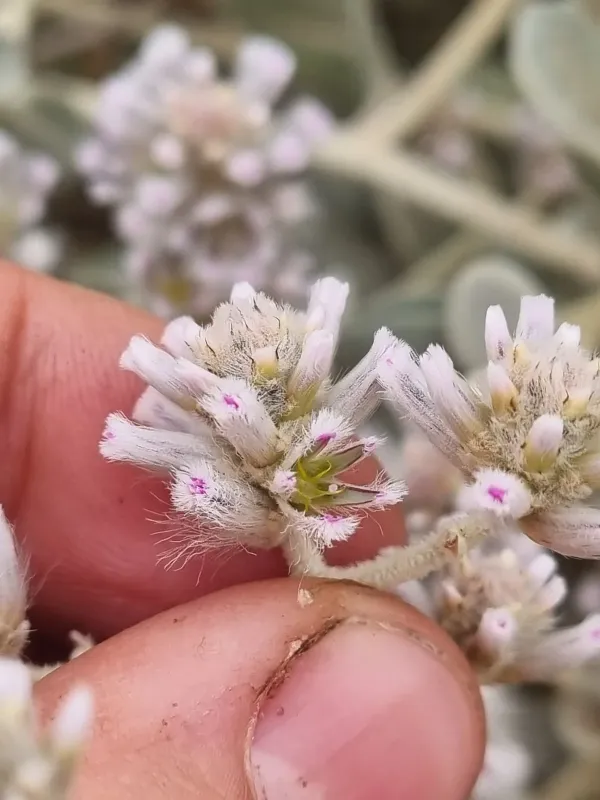
Description
Sowing dates
Ptilotus obovatus, commonly known as Silver Mulla Mulla, is typically propagated from seeds. The sowing process begins in a controlled environment, such as a greenhouse or a climate-managed nursery, to ensure optimal germination rates.
Seeds require a well-draining, sandy-based medium to germinate successfully. It is recommended to sow them at a shallow depth, as the seeds often require light to initiate the germination process and are sensitive to deep burial in the soil.
Maintaining a consistent temperature range between 20°C and 22°C is crucial for the development of healthy seedlings. Providing adequate light prevents the seedlings from becoming leggy and weak, which is essential for establishing a robust plant structure.
Transplanting the seedlings into individual containers occurs after the formation of the first set of true leaves. Extreme care must be taken during this phase, as the root system of Ptilotus species is known to be delicate and prone to stress.
Acclimatization to field conditions is necessary before final planting. The young plants should be gradually introduced to outdoor temperatures and light intensity over a period of two weeks to prevent transplant shock.
Growing requirements
Originating from the arid regions of Australia, this species belongs to the Amaranthaceae family and is highly adapted to extreme heat and drought conditions. It thrives in environments where other crops often struggle due to water scarcity.
Full sun exposure is a non-negotiable requirement for Ptilotus obovatus. It needs high solar radiation to maintain its compact growth habit and to produce the characteristic silvery foliage and dense, feathery flower spikes.
Soil requirements focus on drainage. The species cannot survive in heavy, waterlogged soils. A sandy, rocky, or gravelly soil profile with a neutral to slightly alkaline pH is ideal for the health of its root system.
The plant has very low water requirements once established. Irrigation should be managed sparingly, allowing the soil to dry out completely between water applications to avoid the risk of root rot pathogens.
Fertilization should be kept to a minimum. Over-fertilizing with high-nitrogen compounds promotes excessive succulent growth, which weakens the plant and makes it more susceptible to pests and environmental stressors.
Main diseases and pests
Root rot is the most significant threat to the health of this crop, typically triggered by improper drainage or excessive soil moisture. Once root rot sets in, it is difficult to mitigate, making prevention through soil management the primary defense.
Powdery mildew can occur in environments with poor air circulation or high humidity levels. Maintaining proper plant spacing is essential to ensure adequate airflow around the foliage, reducing the risk of fungal outbreaks.
Pests such as aphids and spider mites can attack the succulent parts of the plant during hot, dry spells. Early detection through regular monitoring is necessary to prevent significant damage to the flower spikes.
Foliar leaf spots can appear if the plant is exposed to persistent humidity. Affected leaves should be pruned and removed from the cultivation area to prevent the spread of fungal spores to healthy parts of the plant.
Using chemical pesticides should be approached with caution, as Ptilotus species may exhibit sensitivity to certain active ingredients. Integrated pest management, focusing on cultural practices, is the preferred strategy for this crop.
Harvesting
The harvesting of Ptilotus obovatus is primarily targeted at the floriculture industry, where its unique, feathery silver-grey flowers are highly valued for dried arrangements and botanical displays.
Harvesting should take place when the flower spikes have reached full development but before they start to degrade. The best time for harvest is early in the day, ensuring the plant tissue is dry and free of dew or moisture.
Once cut, the stalks should be bundled and hung upside down in a cool, dark, and well-ventilated room to dry. This technique preserves the structural integrity and the natural colour of the bracts, which are essential for commercial quality.
Seed harvesting is conducted when the spikes turn a dull, dry brown. Because the seeds are lightweight and often have appendages that aid in wind dispersal, collectors must use protective bags to prevent seed loss during the ripening phase.
After threshing and cleaning, seeds should be stored in airtight containers at low temperatures. Proper storage conditions allow for the maintenance of high germination viability for up to several years.