
Ptilotus nobilis
Ptilotus nobilis (Lindl.) F. Muell.
Description
Sowing dates
Ptilotus nobilis, commonly known as the Noble Foxtail and belonging to the Amaranthaceae family, is a herbaceous perennial native to Australia. In agricultural practice, seeds are typically sown in early spring when temperatures remain consistently above 20 degrees Celsius.
The preferred propagation method is using seedling trays in a controlled greenhouse environment. Seeds should be sown in a light, well-draining substrate at a depth not exceeding 0.5 cm, maintaining consistent moisture during the germination period.
Germination can be irregular, requiring stable warmth and moderate light. Once the second pair of true leaves emerges, seedlings should be pricked out into individual pots to facilitate root system development before transplanting.
Hardening off the seedlings is a critical stage before moving them to the open field. This process involves gradually exposing the young plants to outdoor sunlight and temperatures over a period of 7 to 10 days to build resilience.
Final transplantation occurs once the danger of night frost has completely passed. As an arid-zone native, Ptilotus nobilis is highly sensitive to cold soils and thrives best when moved only after stable, warm spring weather arrives.
Growing requirements
As a species adapted to desert climates, Ptilotus nobilis requires full sun exposure for optimal growth. It is essential to select a planting site with excellent solar access and protection from strong, cold wind gusts.
The plant demands a specific soil profile: loose, sandy, or gritty textures are preferred to ensure rapid drainage. Compacted or heavy clay soils often lead to root asphyxiation and are generally unsuitable for cultivation.
Watering requirements are relatively low compared to traditional crops. A moderate approach is necessary; the soil surface should be allowed to dry out between watering sessions to prevent the onset of fungal rot.
Fertilization should be handled with caution, focusing on potassium and phosphorus. Excessive nitrogen applications should be avoided, as this causes rank vegetative growth at the expense of the iconic fluffy flower spikes.
Temperature management is crucial, with an ideal range of 22–30 degrees Celsius. In cooler regions, this species is frequently cultivated as an annual or as a patio container plant to be moved indoors during winter.
Main diseases and pests
Root and crown rots are the most significant threats to Ptilotus nobilis, often caused by over-irrigation or improper soil drainage. Ensuring airflow around the base of the plant is a critical preventative measure.
Powdery mildew can occur if plants are spaced too closely, leading to stagnant air pockets. Maintaining recommended plant spacing improves ventilation and significantly reduces the risk of fungal leaf infections.
Insect pests, specifically aphids and spider mites, can cause damage during hot, dry spells. These pests colonize rapidly and can weaken the plant by feeding on the sap of young tissues.
Effective pest control involves early detection and the targeted use of systemic insecticides or miticides. Integrated pest management strategies, such as biological controls, can also be employed in greenhouse environments.
Sanitation is paramount: immediately removing and destroying infected plant material prevents the spread of pathogens. Keeping tools sanitized throughout the growing season helps maintain the health of the entire crop population.
Harvesting
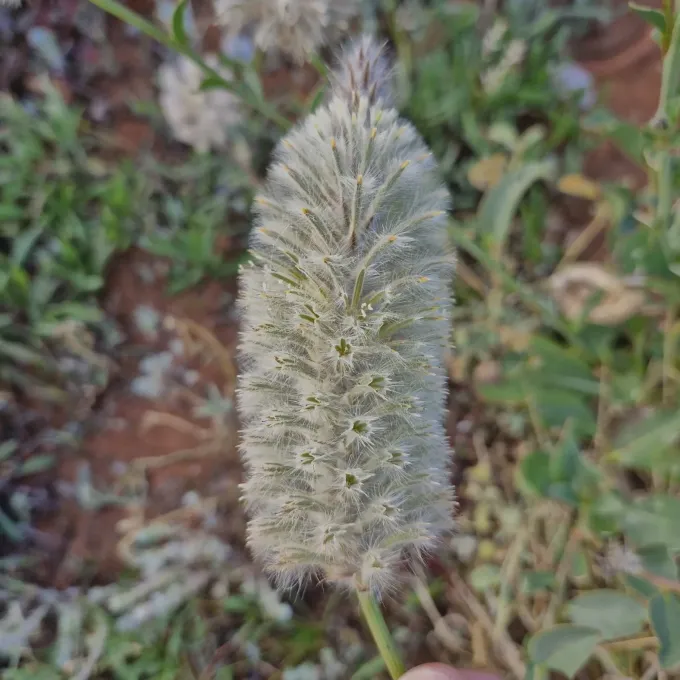
The agricultural and ornamental value of Ptilotus nobilis lies in its unique, durable flower spikes. In floral production, stems are harvested at the peak of color intensity to ensure they maintain their beauty when dried.
Harvesting is best performed in the morning after dew has evaporated to ensure the plant tissues are firm. Sharp, sterilized pruning shears are used to cut the stems cleanly without damaging the base of the plant.
For dried arrangements, the harvested stems should be bundled and hung upside down in a dark, well-ventilated location. This method preserves the structural integrity and vibrant color of the inflorescences effectively.
In landscape maintenance, regular deadheading is recommended to prolong the display of blooms. Removing finished spikes prevents the plant from diverting energy into seed production, effectively extending the ornamental season.
Seed collection is possible if desired; the spikes should be left to fully mature until they begin to brown. After drying, the seeds can be carefully threshed from the spikes and stored in a cool, dry place for future seasons.