
Ptilotus manglesii
Ptilotus manglesii (Lindl.) F. Muell.
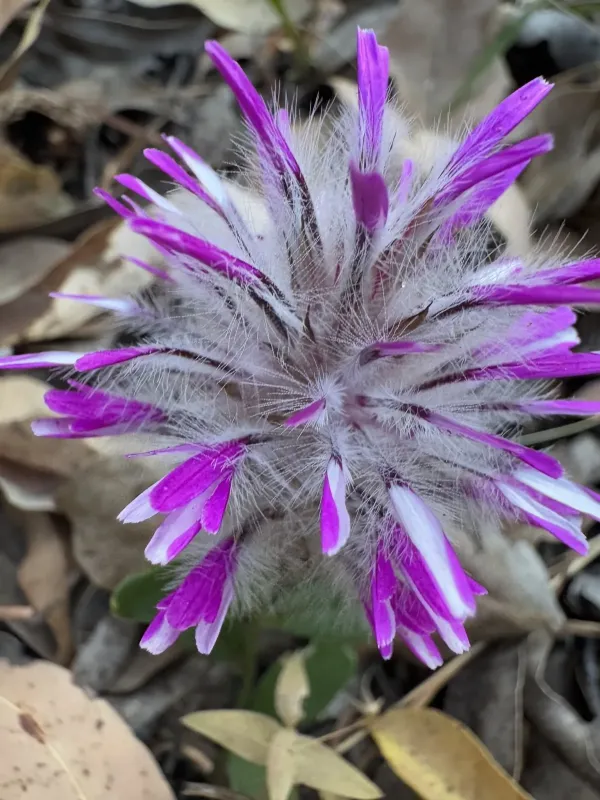
Description
Sowing dates
Ptilotus manglesii, a member of the Amaranthaceae family, is a distinct plant native to Western Australia. To cultivate this species successfully, sowing should be initiated in late winter under controlled environmental conditions.
Seeds require a consistent temperature of 20°C to 25°C to break dormancy and ensure high germination rates. A sterile, well-draining sowing medium composed of peat and perlite is essential.
The seeds are small and should be sown on the surface or covered with a very thin layer of fine substrate. Maintaining high humidity during the early germination phase is critical for uniform growth.
Once seedlings develop their first true leaves, they should be transplanted into individual pots. This prevents root competition and allows for better monitoring of individual plant development.
Hardening off the seedlings is a mandatory step before transferring them to permanent outdoor locations to ensure they can withstand local wind and temperature fluctuations.
Growing requirements
This species thrives in full sun exposure. It is highly adapted to arid environments, making it suitable for xeriscaping or rock garden applications where high heat is prevalent.
The soil profile must be sandy or gritty with excellent permeability. Ptilotus manglesii cannot tolerate waterlogged conditions, which lead to rapid root decay and plant collapse.
Watering strategies must emphasize the drying of the soil between irrigation cycles. Overwatering is the most common cause of failure when cultivating this Australian native.
Nutrient requirements are modest. Over-fertilization, especially with nitrogen-based products, should be avoided as it encourages excessive vegetative growth at the expense of floral development.
Maintaining a dry microclimate around the base of the plant is vital. Using coarse gravel or inorganic mulch helps prevent moisture contact with the crown of the plant.
Main diseases and pests
Root rot caused by Oomycetes, specifically Pythium and Phytophthora species, is the primary threat to the health of the crop in both nursery and field settings.
Pests such as aphids and spider mites can infest the foliage, particularly under stressed conditions such as extreme heat or drought combined with poor air circulation.
Regular inspection of the undersides of leaves and flower heads is recommended to catch pest infestations in the early stages, preventing widespread damage.
Cultural control, including optimizing plant spacing to ensure air movement, remains the most effective strategy for mitigating disease outbreaks.
In cases of severe fungal pressure, utilizing systemic fungicides as a preventative measure during the early growth stages is highly recommended for commercial growers.