
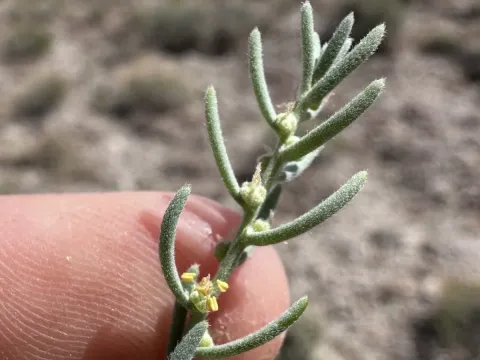
Neokochia
Neokochia
Sowing Neokochia is primarily carried out in the spring once the soil temperature reaches 10–12 degrees Celsius. To ensure uniform germination, seeds should be sown at a shallow depth, typically not exceeding 1–2 centimeters.
What the section contains


Neokochia
The optimal time for sowing is during the establishment of stable positive temperatures, allowing the crop to efficiently utilize early spring moisture. In areas with limited rainfall, ensuring good soil-to-seed contact is crucial to accelerate germination.
Seeding rates are calculated based on the intended purpose of the crop, whether for green biomass or seed production. Wide-row spacing is recommended for seed production plots, while solid drilling is preferred for establishing dense forage stands.
The crop exhibits high germination vigor, allowing it to compete effectively with weeds during the early stages of development. Rolling the soil after sowing is recommended if the seedbed is too loose or overly dry.
In regions with hot climates, late-autumn or dormant sowing is possible, allowing the plant to use winter snow moisture for the early development of its powerful root system.
Neokochia, belonging to the Amaranthaceae family, is a highly efficient drought-tolerant crop. It is capable of thriving in saline soils where most traditional forage plants struggle to survive.
The plant has moderate fertility requirements, demonstrating excellent adaptability to chestnut and sierozem soil types. A key condition for high productivity is ensuring good sunlight exposure throughout the entire growing season.
For normal growth, the crop requires the temperature regime typical of arid and semi-arid zones, where Neokochia effectively tolerates extreme heat. It possesses a pronounced xerophytic structure that helps minimize moisture loss.
Agronomic management of the crop requires minimal intervention due to its high ecological plasticity. However, in years of critical drought, applying minimal doses of nitrogen fertilizers may be necessary to boost yields.
Neokochia is included in crop rotations as a beneficial plant that improves soil structure and helps prevent erosion in arid steppe zones.
The biomass yield of Neokochia depends directly on the moisture level and plant density per unit area. Under favorable conditions, it can produce a significant volume of biomass suitable for livestock feed.
Harvesting for green biomass is carried out during the active vegetative growth phase, before the stems begin to lignify significantly. This ensures forage with an optimal balance of nutrients and proteins.
Regrowth after mowing is moderate, making the crop an ideal candidate for single-cut systems or autumn grazing. The accumulation of dry matter intensifies leading up to the flowering stage.
When using Neokochia as a pasture crop, it is important to manage grazing intensity to avoid thinning the stand. Proper management allows for sustained productivity over several years.
Average dry matter yield metrics in dryland farming conditions vary depending on the specific annual climatic features and the agronomic background of the field.
Neokochia is characterized by high resistance to most typical field crop pests. This is attributed to the specific chemical composition of its tissues, which acts as a deterrent to many insect herbivores.
Serious epiphytotics of fungal or bacterial diseases are rarely observed in Neokochia fields when basic agronomic rules are followed. The crop is extremely resistant to rusts and powdery mildew.
Soil-dwelling pests like wireworms may pose a threat during early development if the crop is sown on virgin land or former perennial grass fields. In such cases, preventive control measures are justified.
Root rot can occur under conditions of waterlogging during early growth, so it is important to avoid fields with high water tables. Proper soil drainage serves as a reliable protection against these issues.
To prevent the spread of rare weeds competing with the crop, quality pre-sowing soil preparation is recommended, including cultivation and management of perennial rhizomatous weeds.
Harvesting for hay is conducted between the onset and mid-flowering stages, when the plant is at its nutritional peak. The mown material dries quickly in the field, minimizing losses during harvest.
Harvesting technology includes conventional mowing followed by tedding for uniform drying. The use of modern mower-conditioners can accelerate moisture loss, which is particularly important during unstable weather conditions.
When ensiling Neokochia, it is recommended to mix it with sugar-rich crops to improve fermentation, as the plant contains specific compounds that can influence the pH level of the silage.
Seed harvesting is performed via direct combining when the seeds reach full physiological maturity and the stems begin to lose their green color. Timing is critical to minimize seed shattering during mechanical harvesting.
After harvesting seed plots, the remaining stubble can be used as roughage or left in the field to improve soil structure, providing an additional advantage to growing Neokochia.